



A Testament of Time
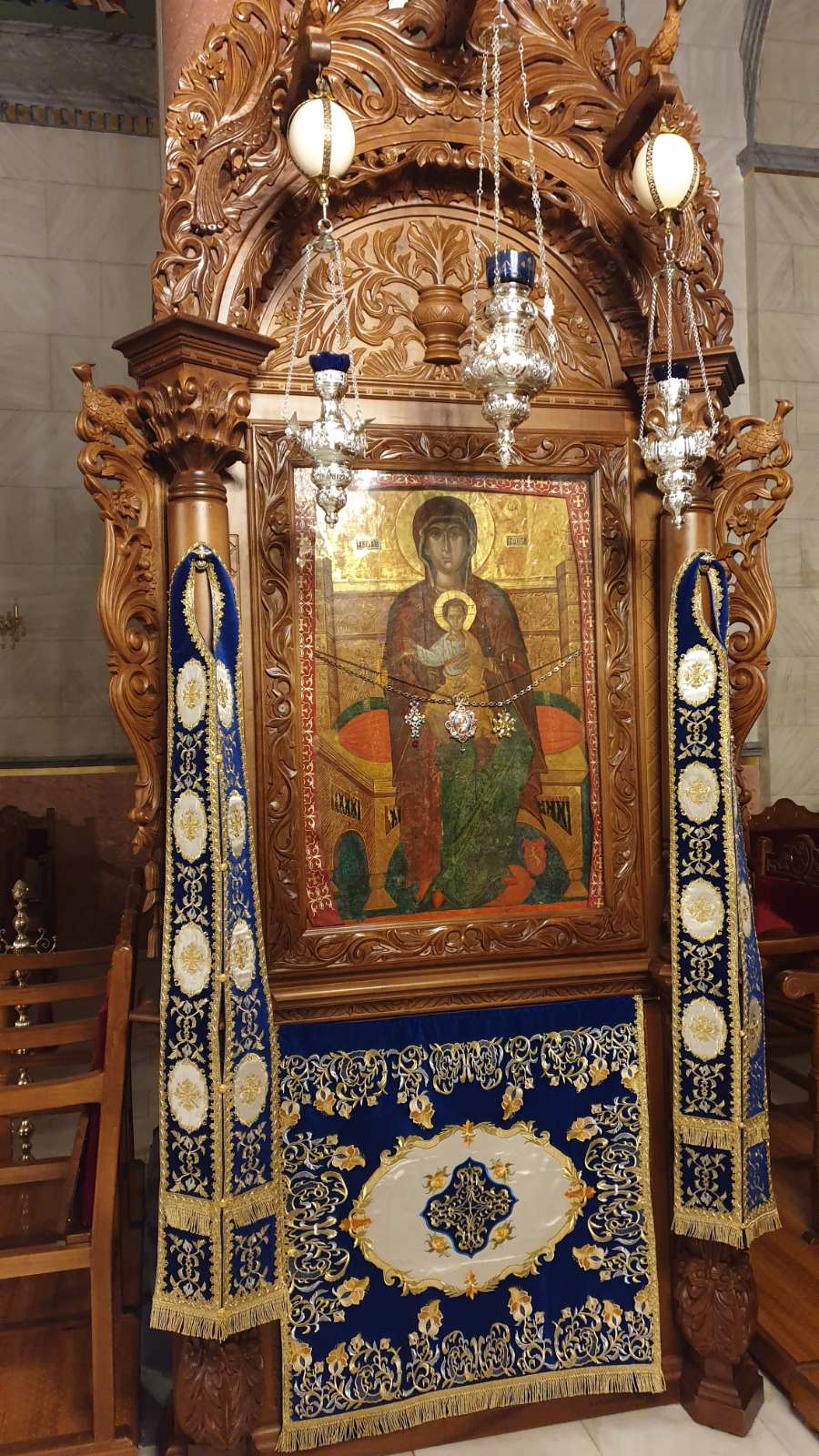
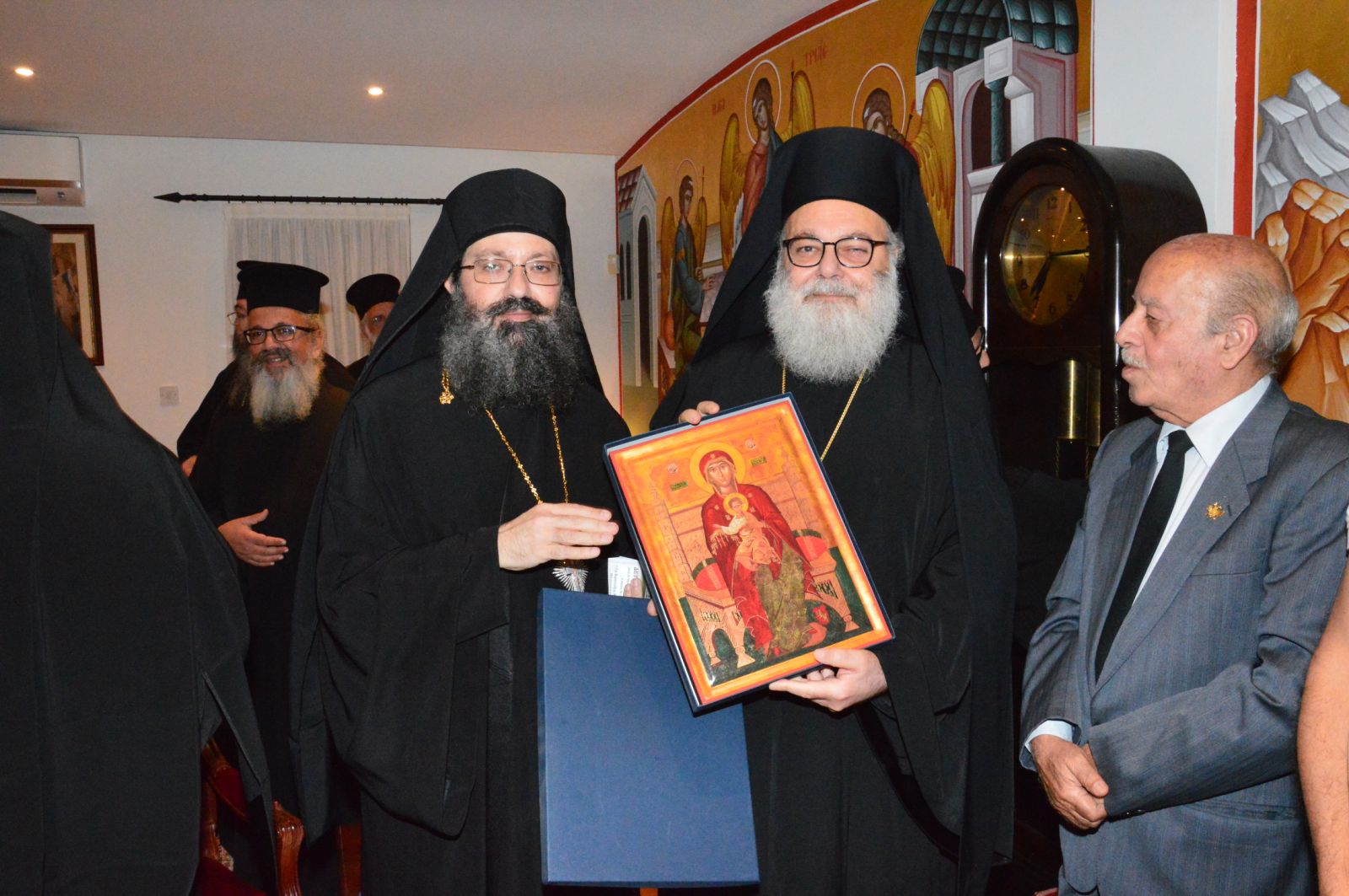
The roots of the Cathedral of Agia Napa can be traced back to the 13th century, when it was originally built as a humble chapel dedicated to the Holy Mandylion, known in Latin as “Saint Nape.” Another version—perhaps the most prevalent—suggests that the name Agia Napa was given after the discovery of an icon of the Virgin Mary in the late 15th century within a wooded valley, or “napa” in the Attic dialect. Over the centuries, the church underwent several renovations and expansions, most notably in the 17th, 19th, and 20th centuries.
An engraved marble plaque confirms a renovation in 1737, noting that the church was restored with the assistance of Metropolitans Ioannikios and Makarios I, as well as numerous contributions from the Christians of that era.
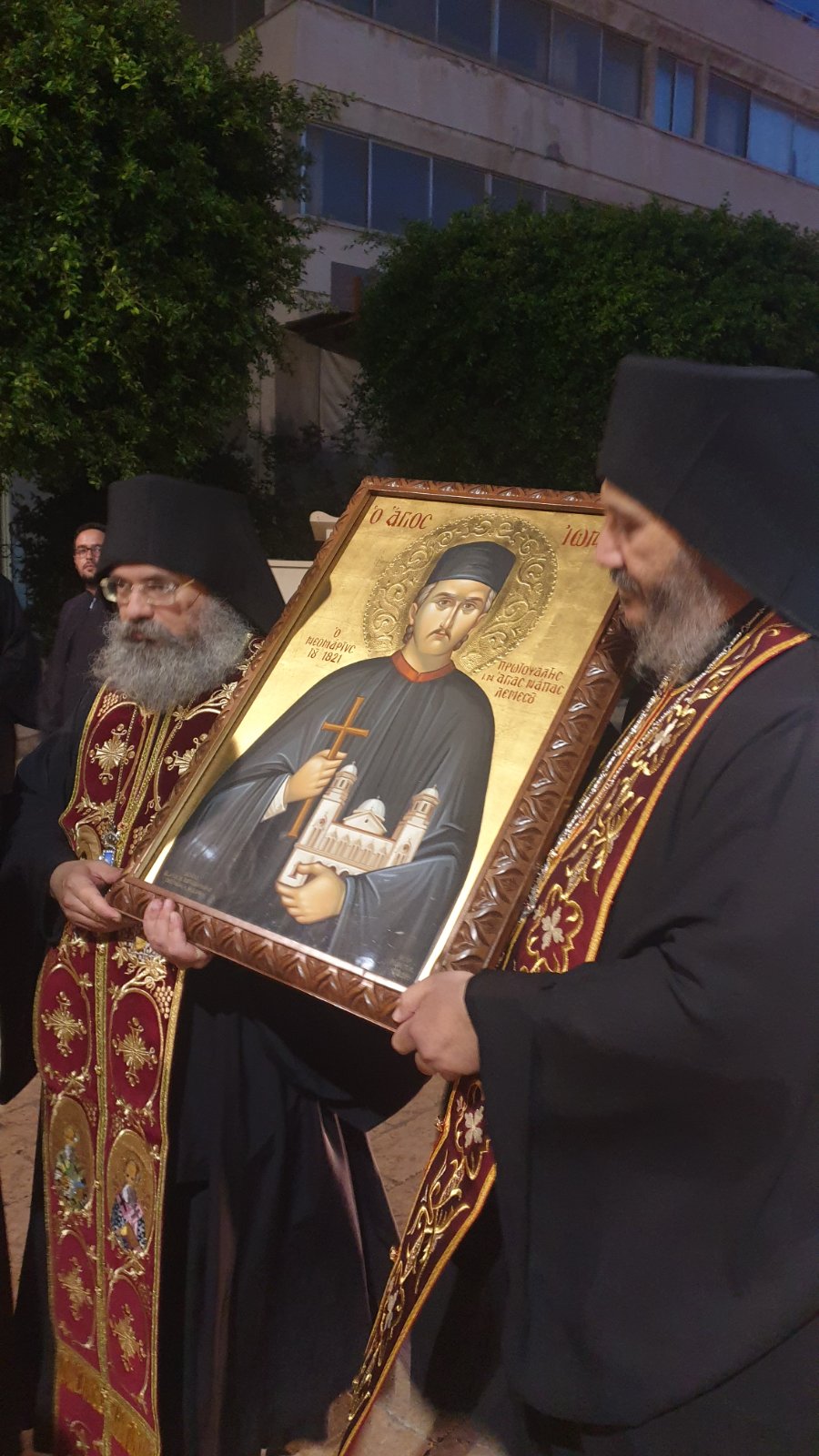
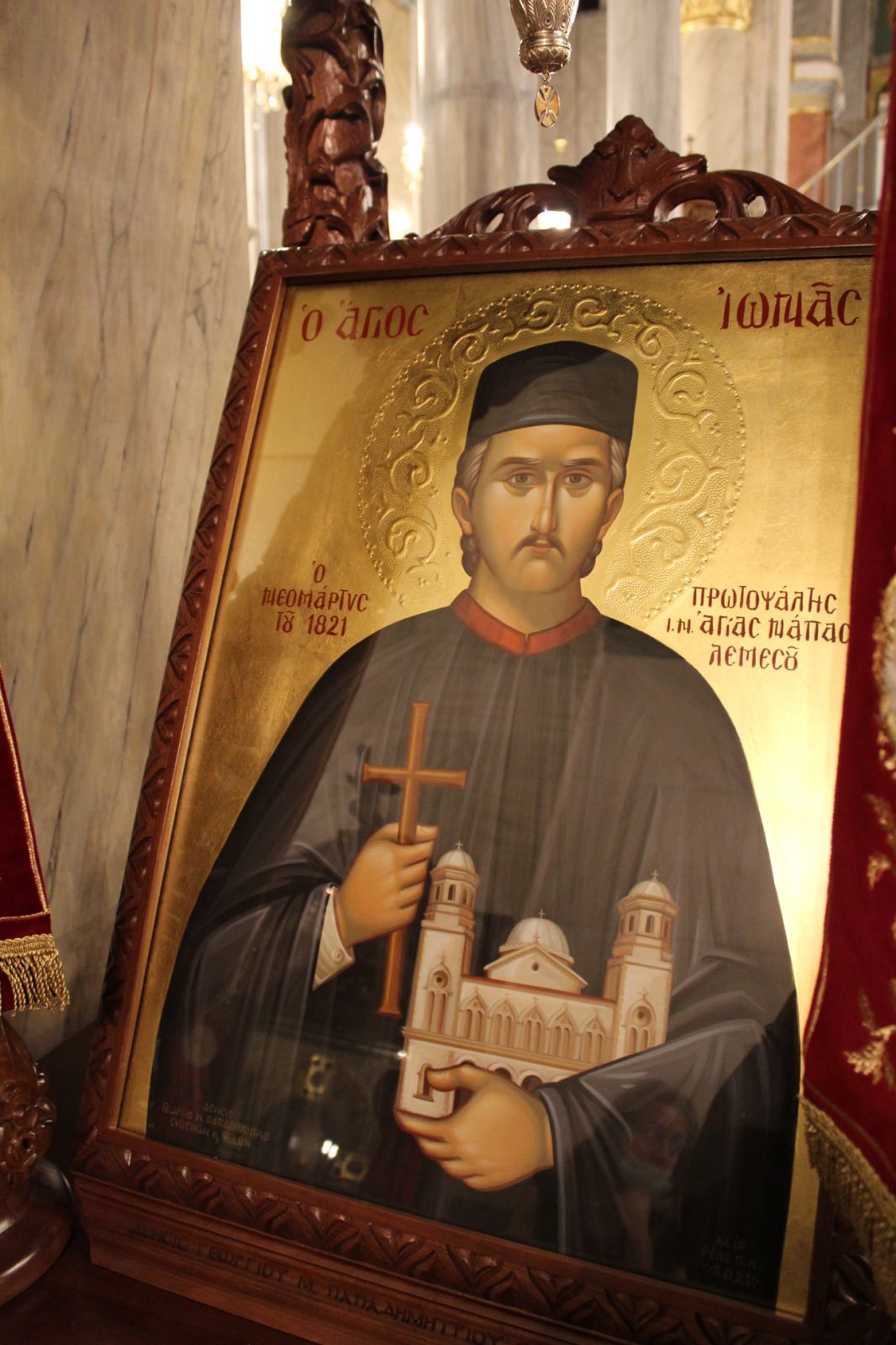
On July 10, 1821, Jonas, the chief lyre player (protopsaltis) of Agia Napa, suffered martyrdom alongside Hieromartyr Kyprianos and many other believers during a brutal and atrocious action by the Turks intended to suppress any uprising and support for their Greek brothers.
In honor of Saint Jonas and Saint Hieromartyr Hermogenes, Bishop of Samos—part of whose Holy Skull is kept in the church—archiepiscopal vigils are held annually. The church also preserves an episcopal mitre, the aforementioned relic of Saint Hermogenes, and holy relics of Saints John the Merciful, John Chrysostom, Basil the Great, and other Saints of the Church.
During the Ottoman occupation, the ringing of bells was forbidden, and churches did not possess them. Around 1853, a Greek sea captain who arrived at the port of Limassol visited Agia Napa to worship. Seeing that there was neither a bell nor a bell tower, he decided to donate his ship’s small bronze bell and helped construct a makeshift wooden belfry.
This did not last long due to the Turkish ban on bell ringing. However, upon the arrival of a new Turkish governor, Said Pasha, the Christians of the city welcomed him warmly with drumbeats and a white flag to make an impression. Touched by this reception, the Pasha granted permission for the bell to be rung and for the white flag to be flown.
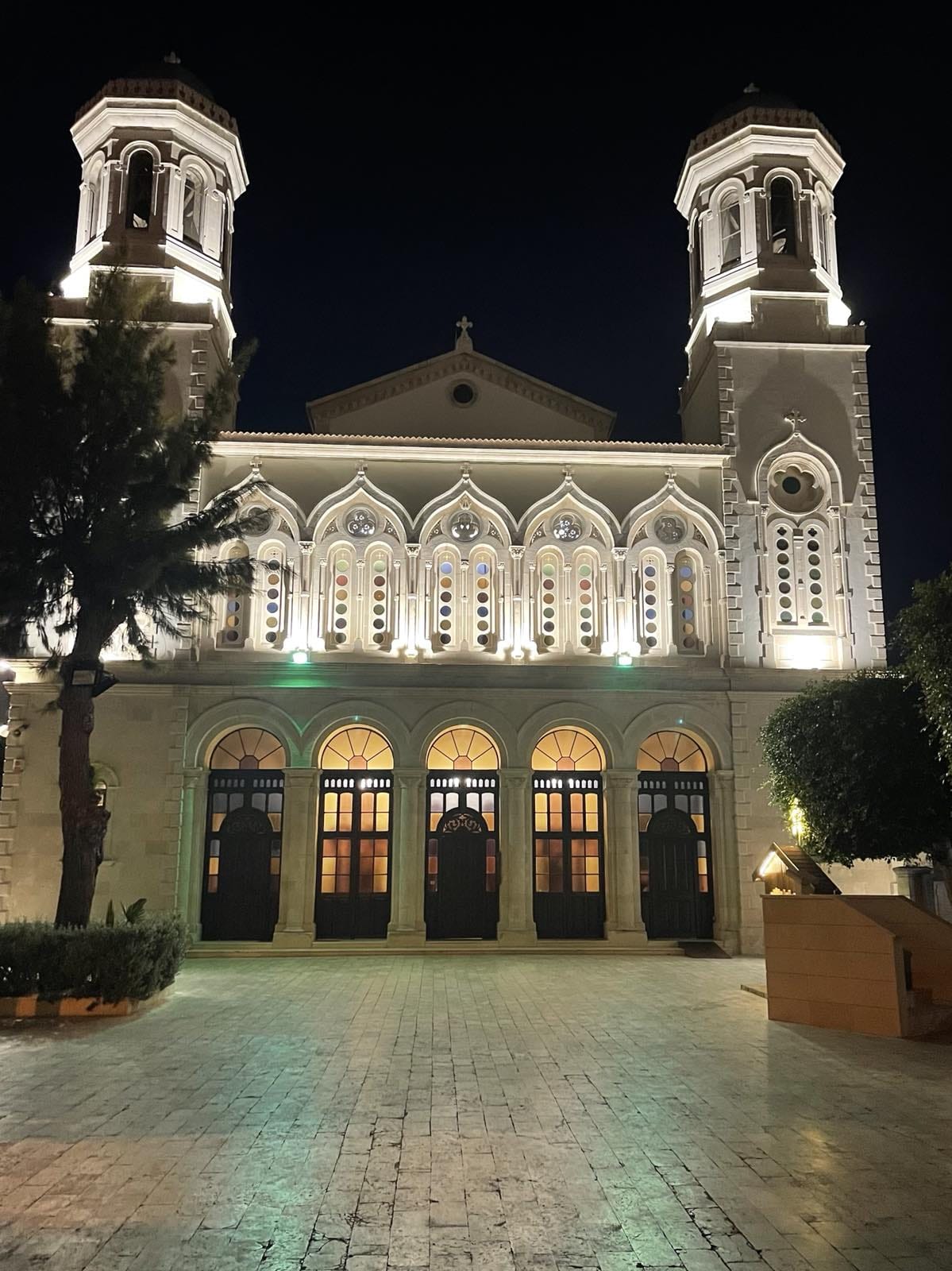
By 1886, the church had become dilapidated, and despite significant opposition, it was decided to demolish it and build a new, larger one. Due to severe financial difficulties, the project was delayed and eventually began in 1891, based on the designs of the Greek architect G. Papadakis. The expenses were covered by the church fund, contributions from pious citizens, and the ecclesiastical committee led by Demosthenes Hadjipavlou.
In 1896, an earthquake caused slight damage to the structure, but work continued despite financial hurdles. The first Divine Liturgy was finally celebrated on Christmas Day in 1903.
One hundred years after that earthquake, on October 9, 1996, a major earthquake struck Limassol, causing significant damage to the church of Agia Napa. It remained closed for repairs until it temporarily reopened on April 17, 1998. The church had to close again after Christmas 2005 until April 29, 2006, to allow for necessary repairs and a complete renovation.
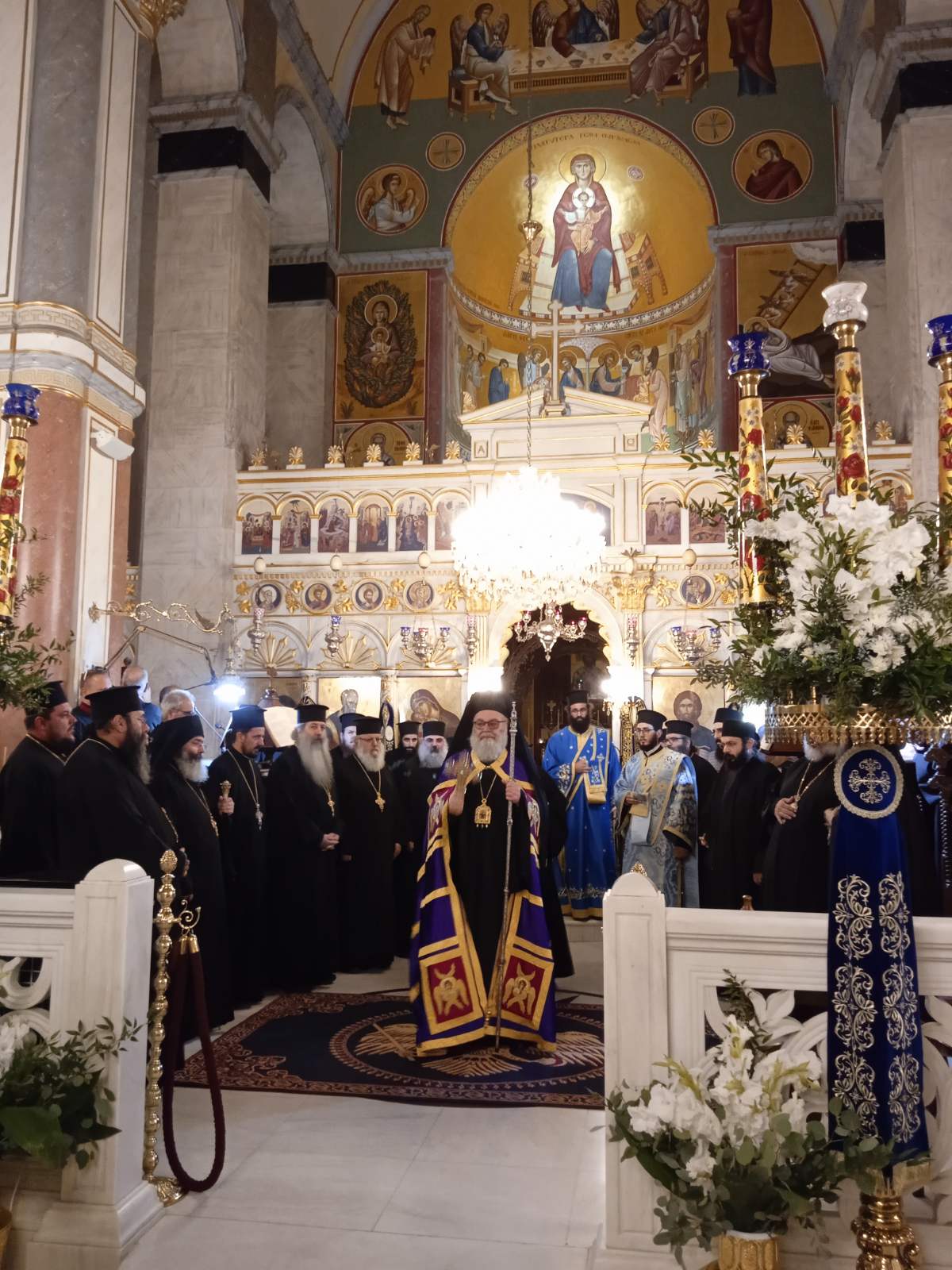
These final renovation works transformed the city’s historic church into a magnificent cathedral, featuring elaborate frescoes and icons that have captivated visitors ever since.
Architectural Marvel
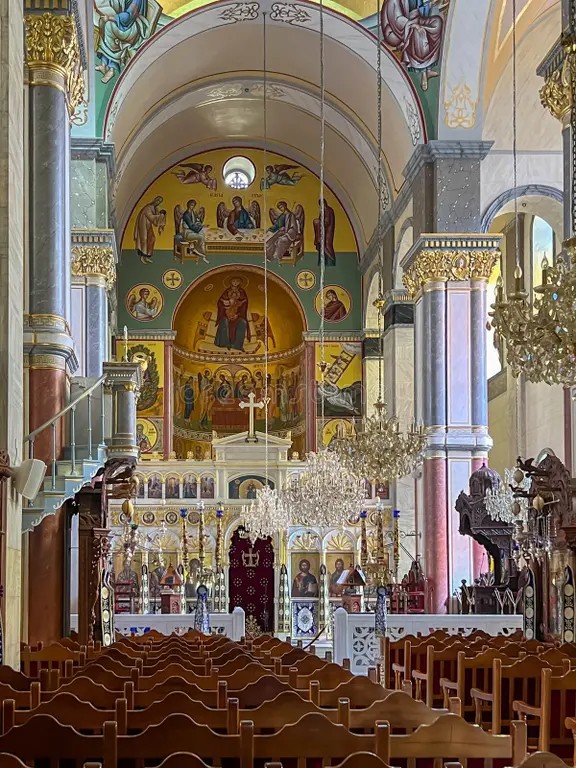
Ayia Napa Cathedral stands as an architectural marvel, reflecting the Byzantine influence prevalent in Cyprus during the medieval era. The cathedral’s exterior features a striking combination of yellow sandstone and marble, exuding a sense of timeless beauty. Its distinct domed roof, adorned with ornamental crosses, adds to the cathedral’s ethereal allure, making it a sight to behold from both near and far.
Intricate Frescoes and Religious Art
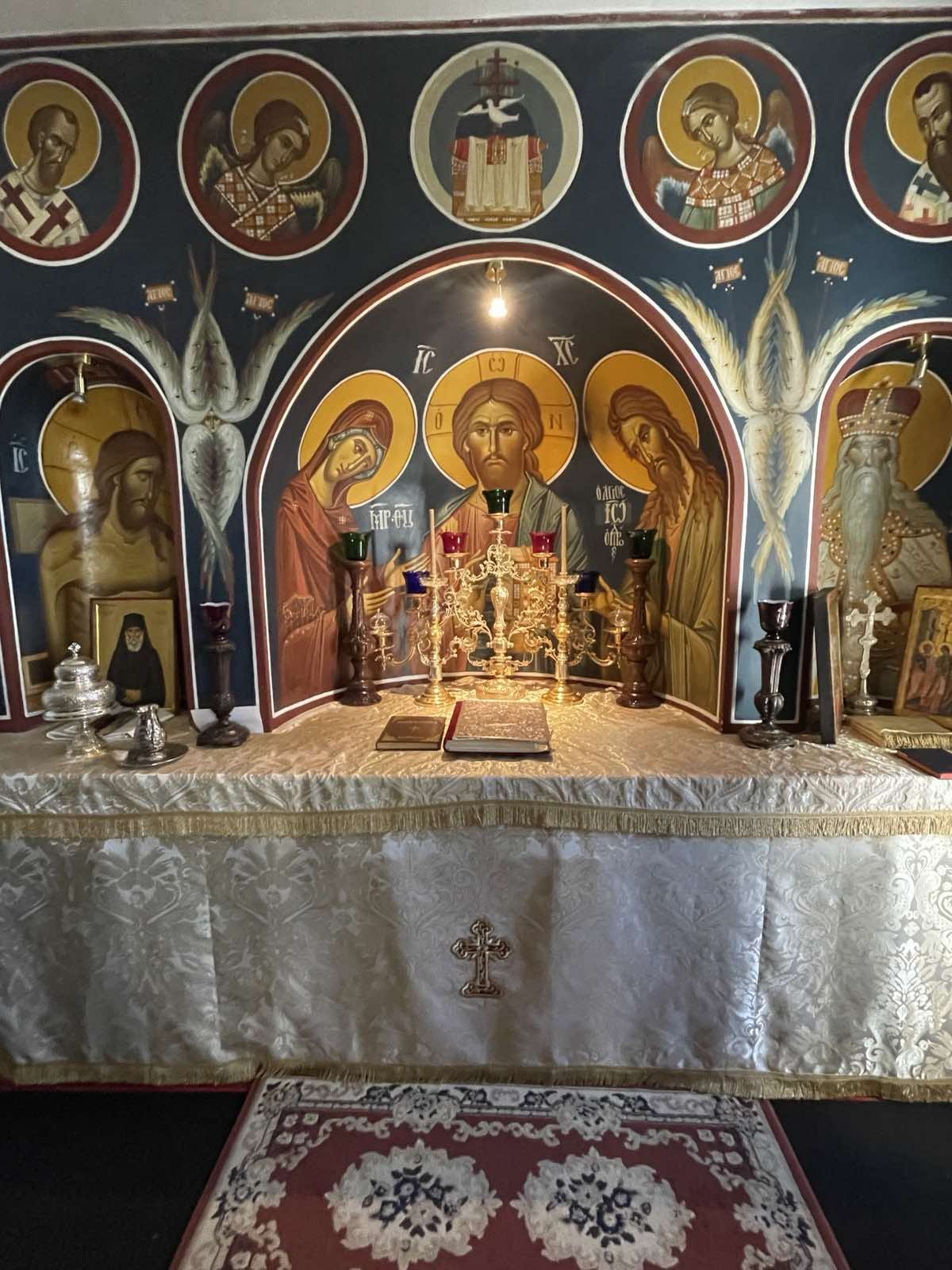
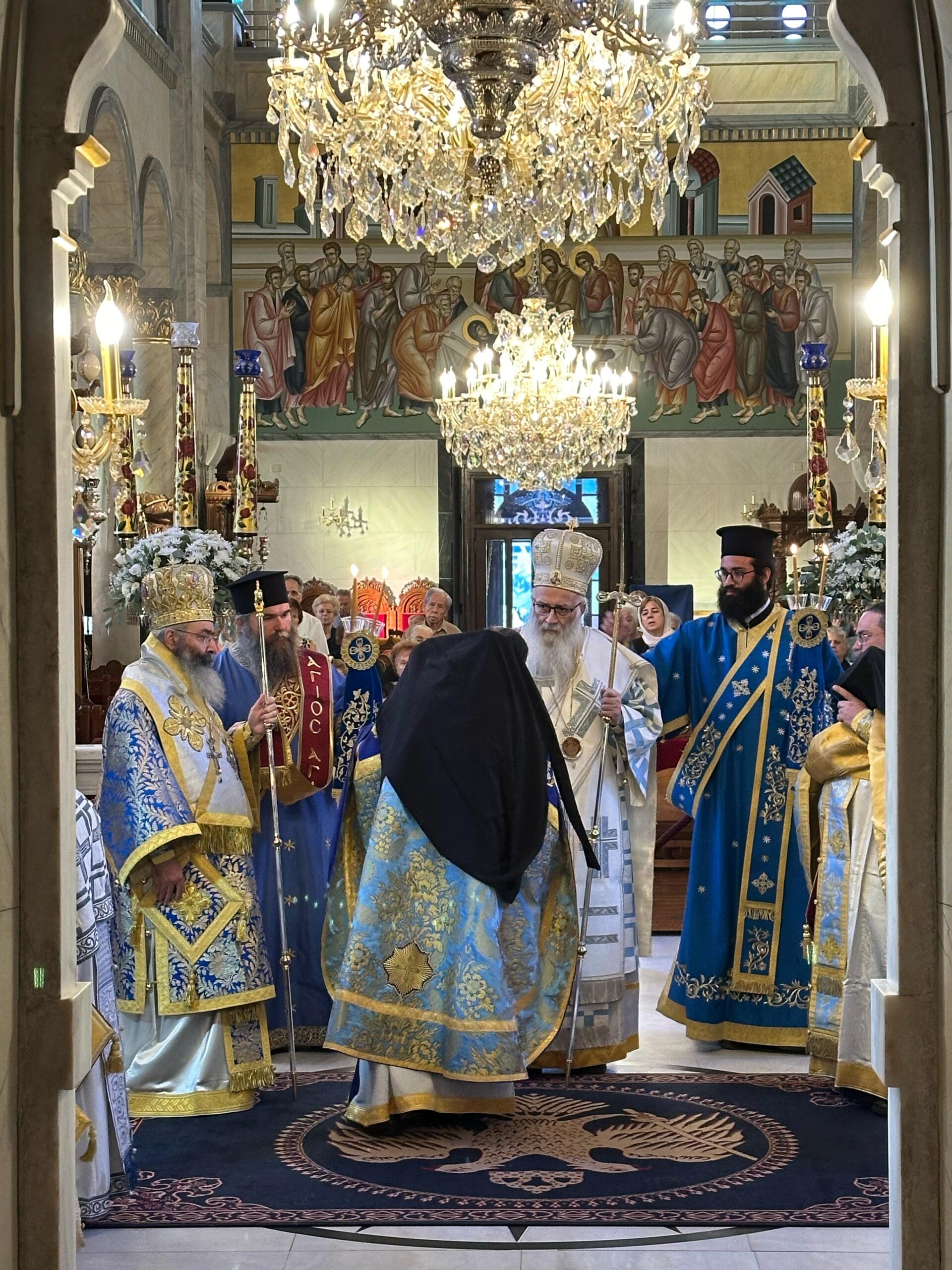
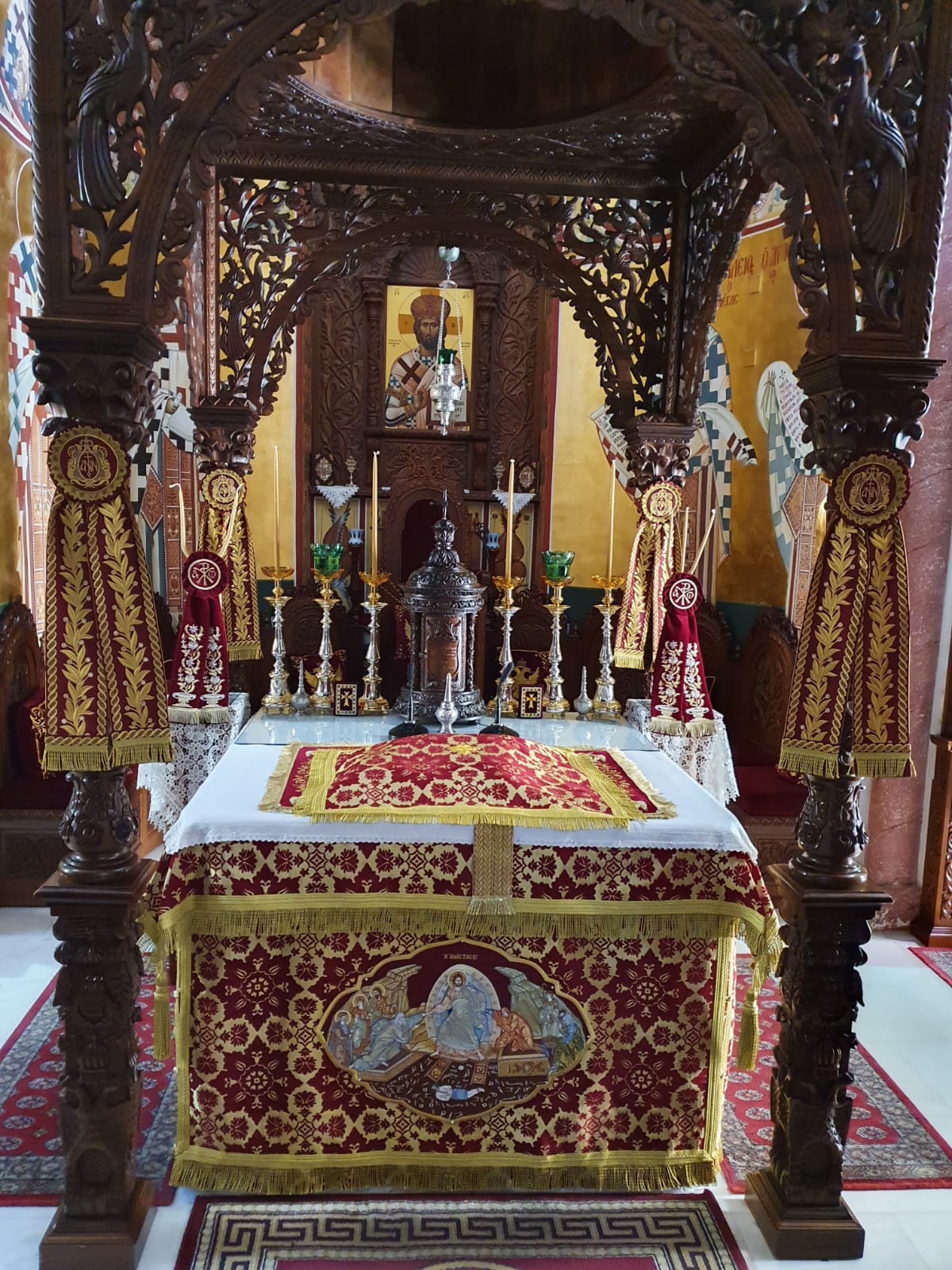
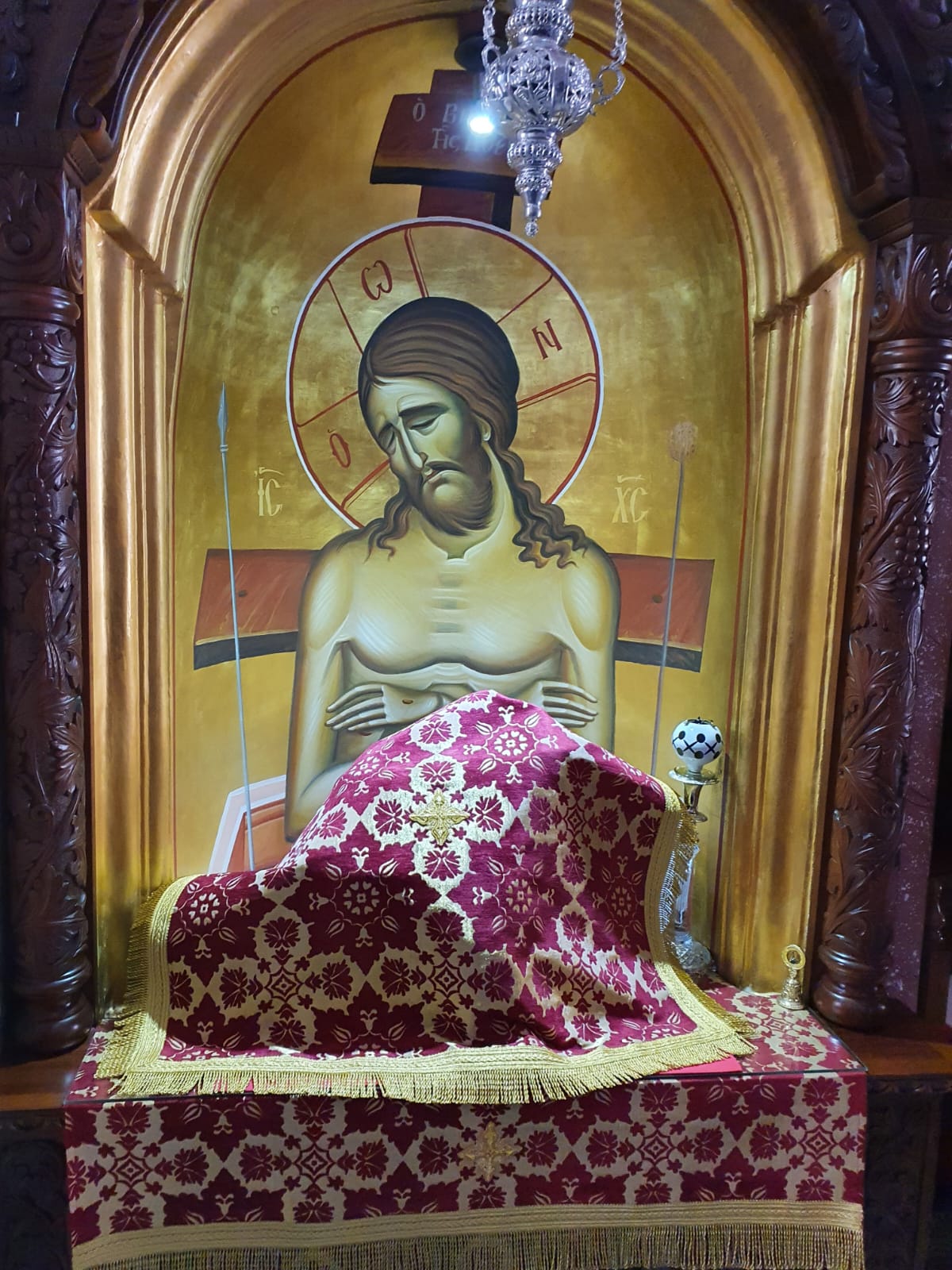
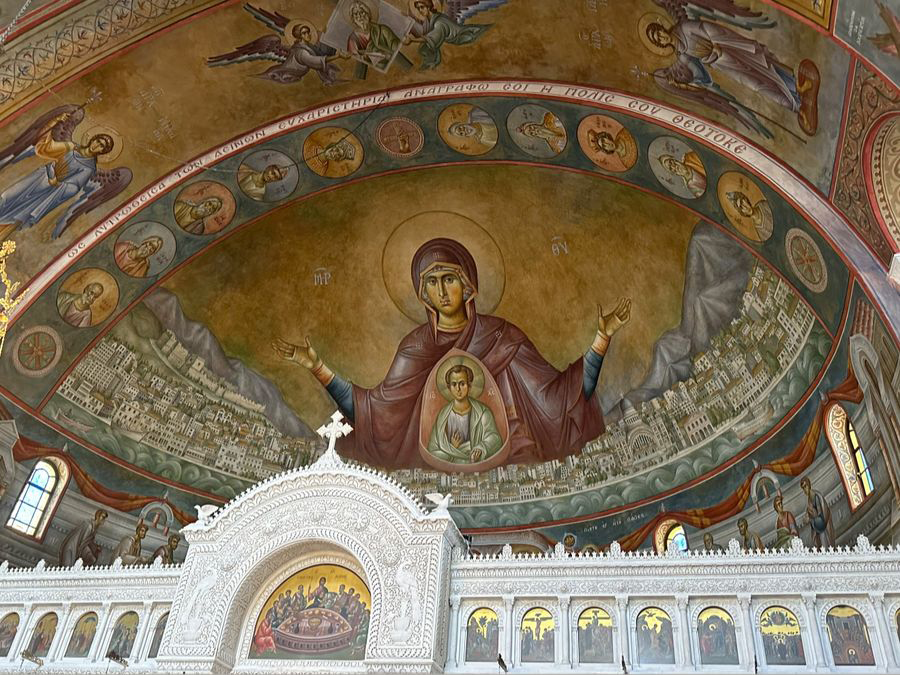
Step inside the cathedral, and you’ll be transported to a world of divine artistry. The interior walls are adorned with breathtaking frescoes that depict scenes from the Bible and Saints of the Orthodox Christian tradition. These intricate works of art, meticulously painted by skilled artisans, narrate stories of faith and spirituality while creating an atmosphere of reverence and contemplation.
The Iconostasis
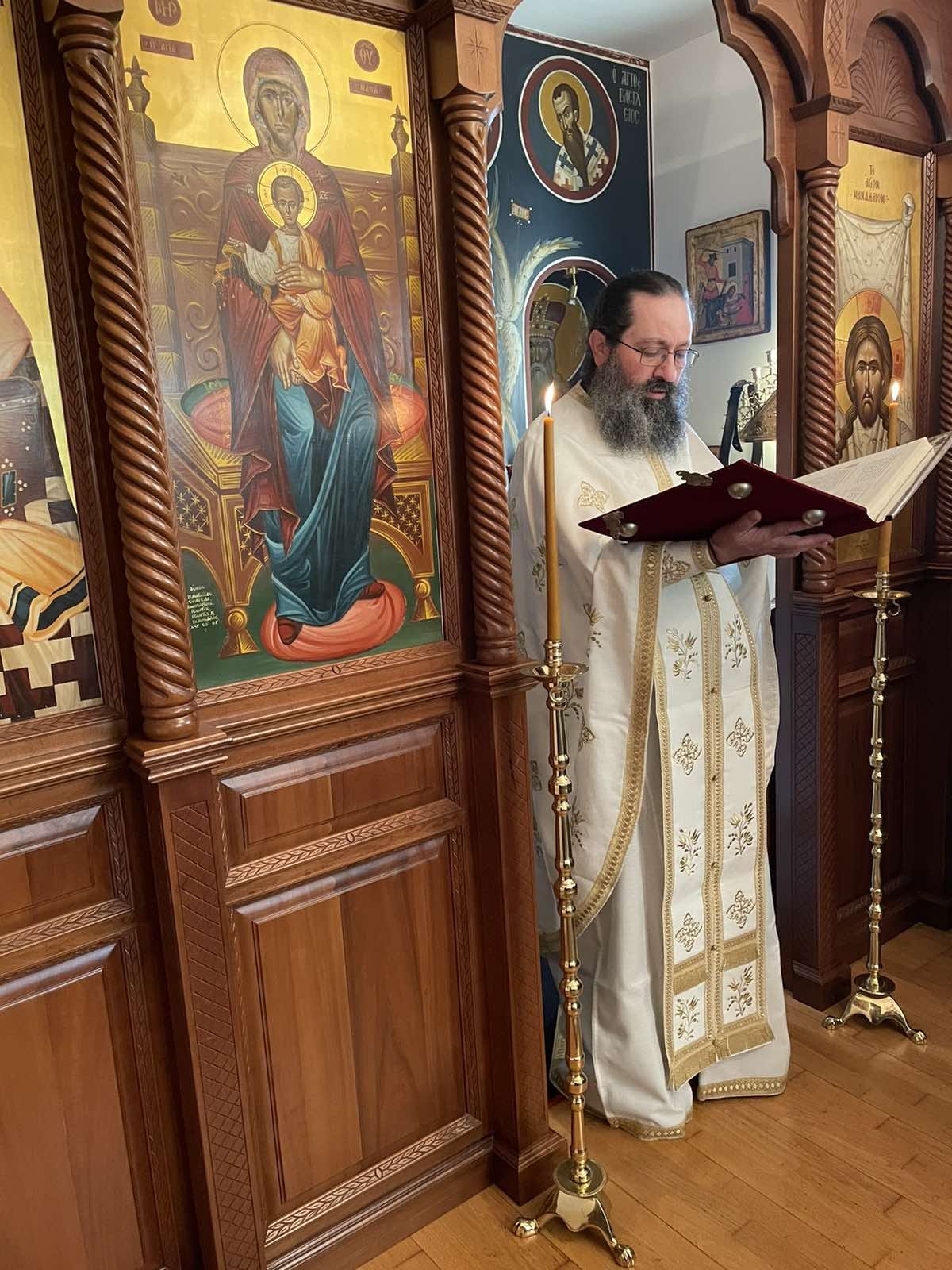
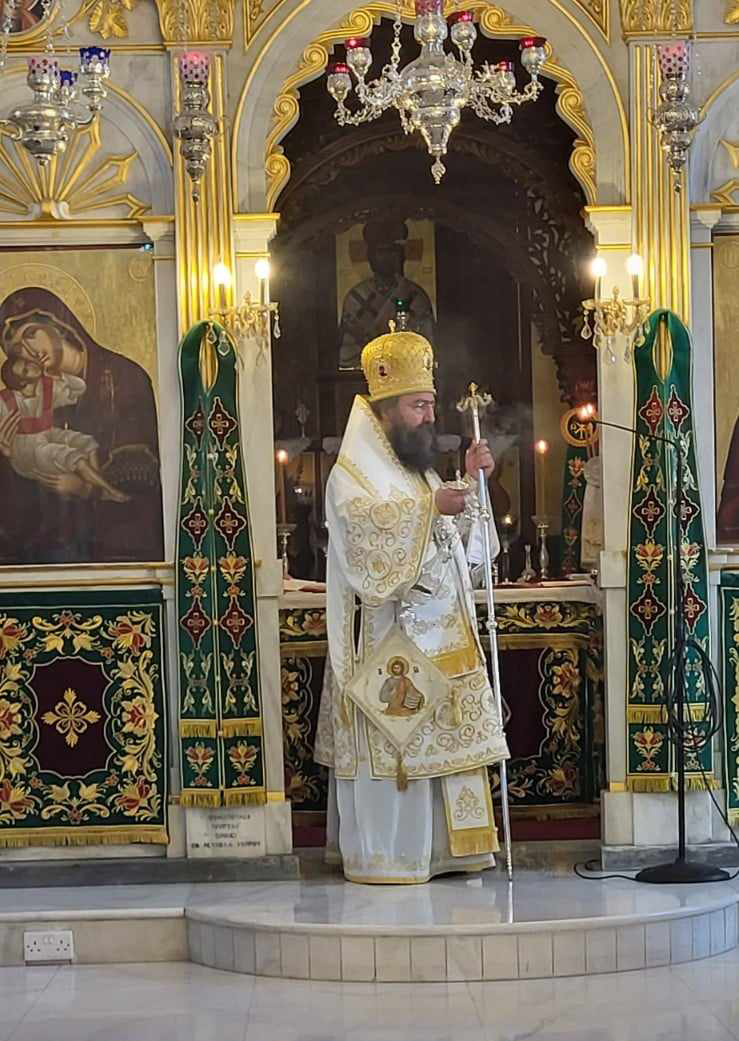
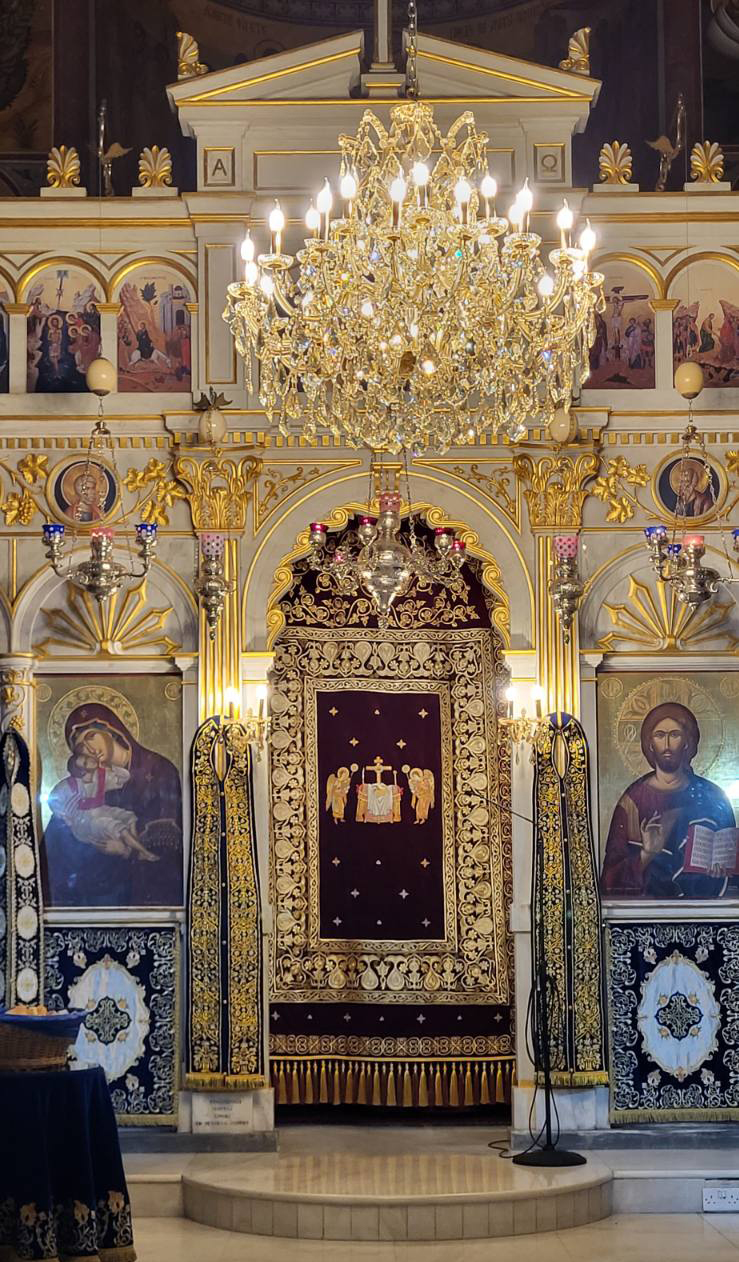
One of the most captivating features of Ayia Napa Cathedral is its ornate iconostasis, a screen covered in religious icons that separates the sanctuary from the main body of the church. Crafted with precision and adorned with gold leaf, the iconostasis is a sight to behold. It showcases a collection of beautifully crafted icons depicting various saints and biblical figures, each with its own story to tell.
Religious Significance
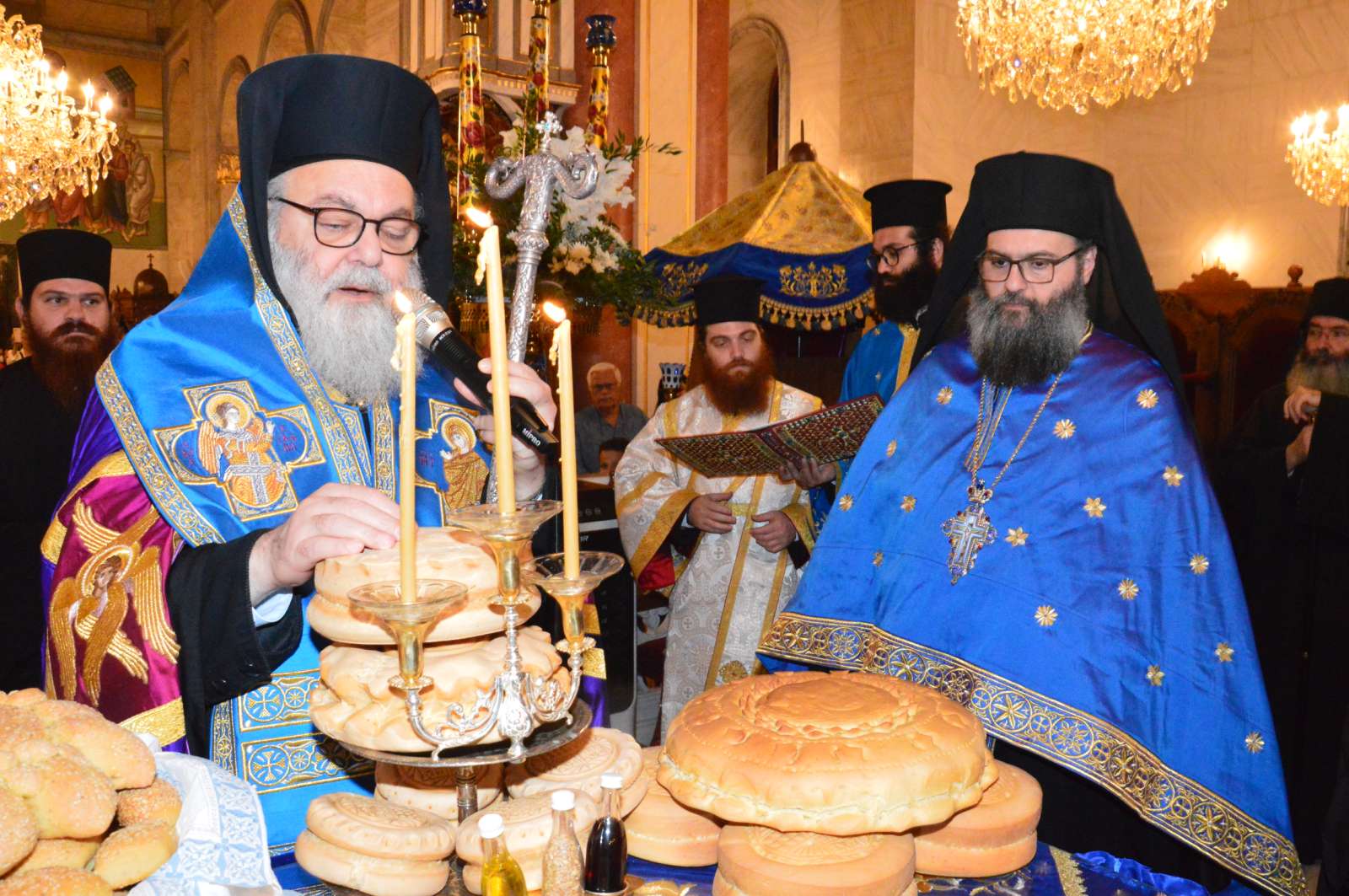
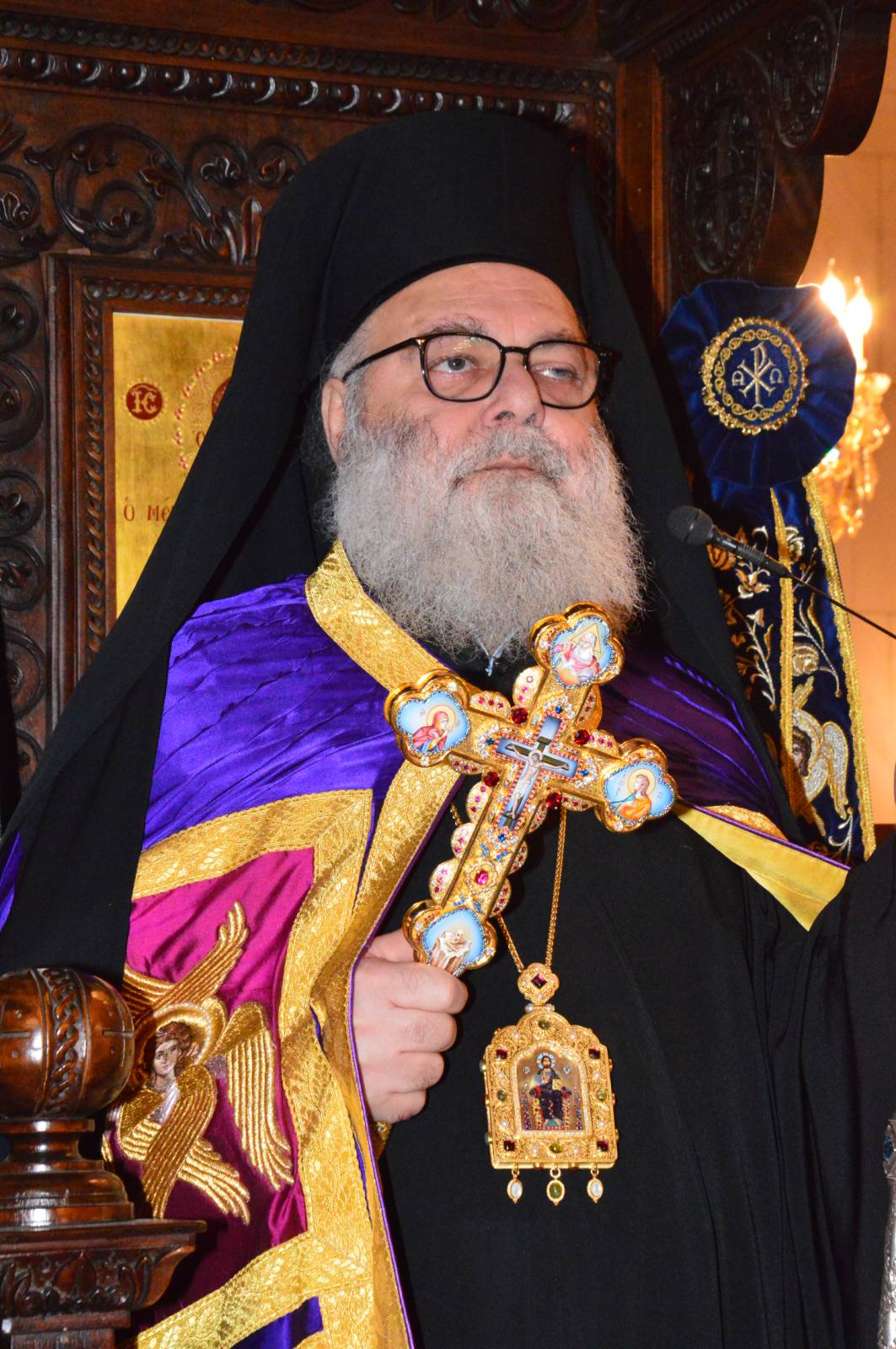
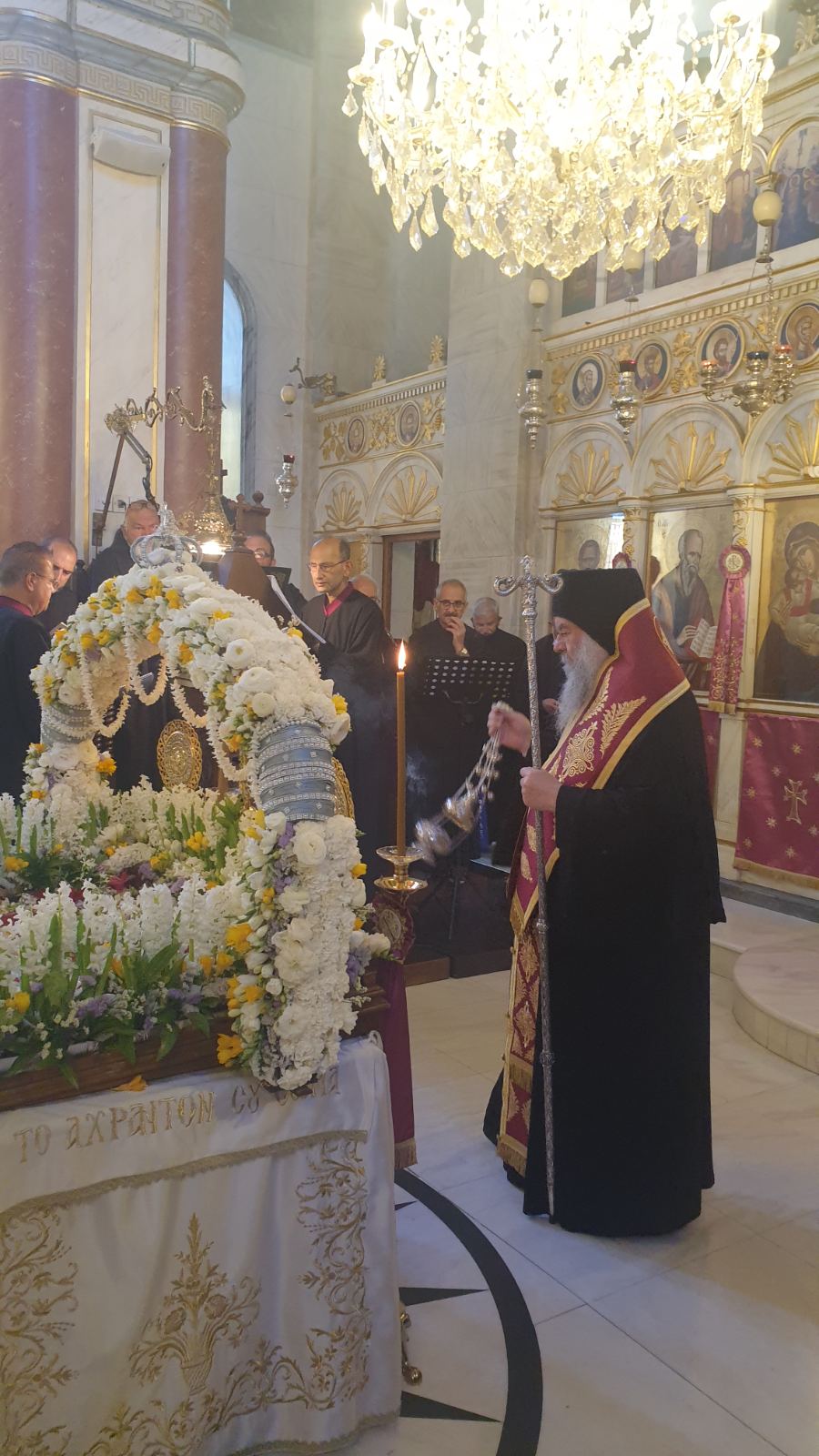
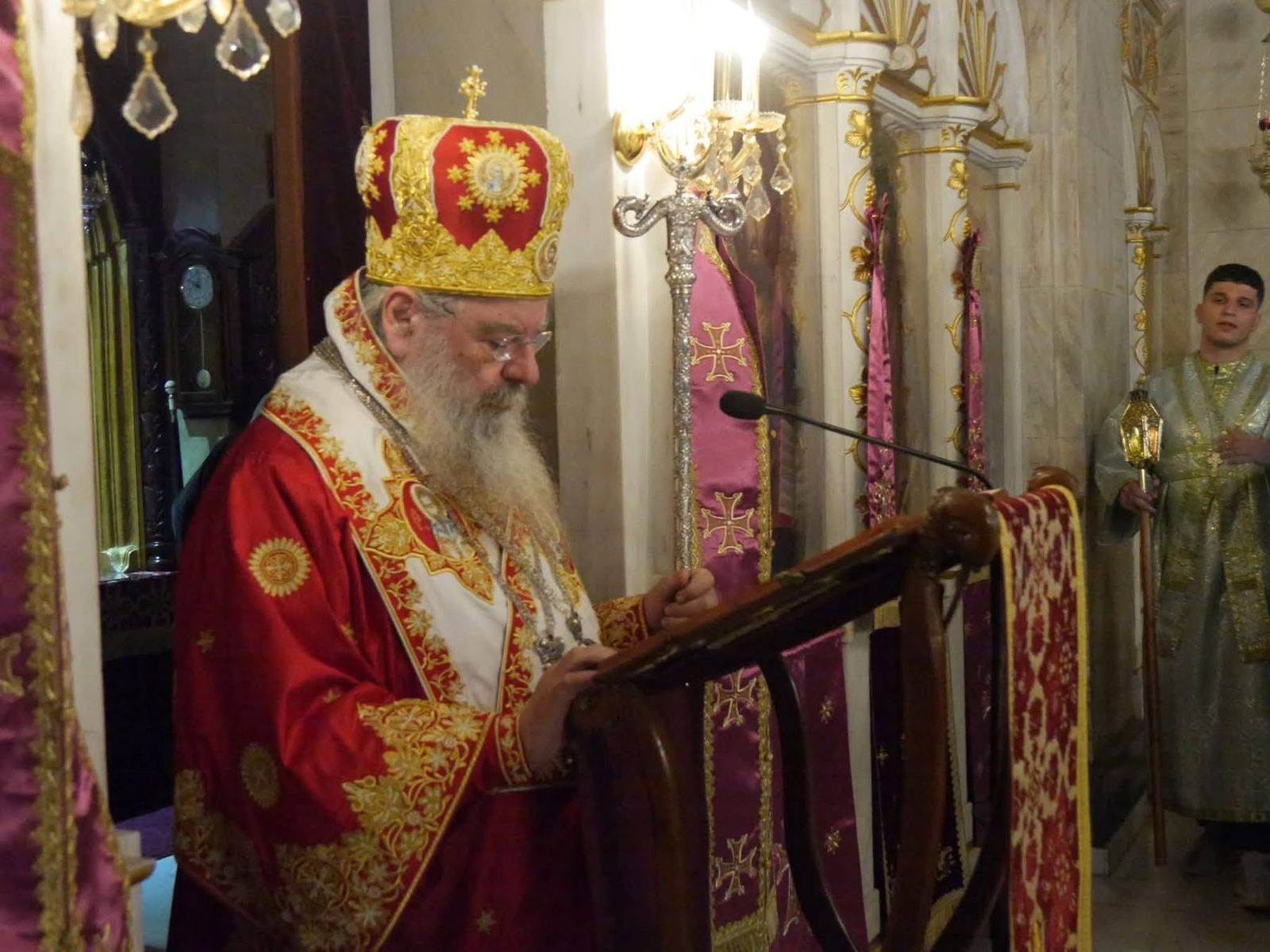
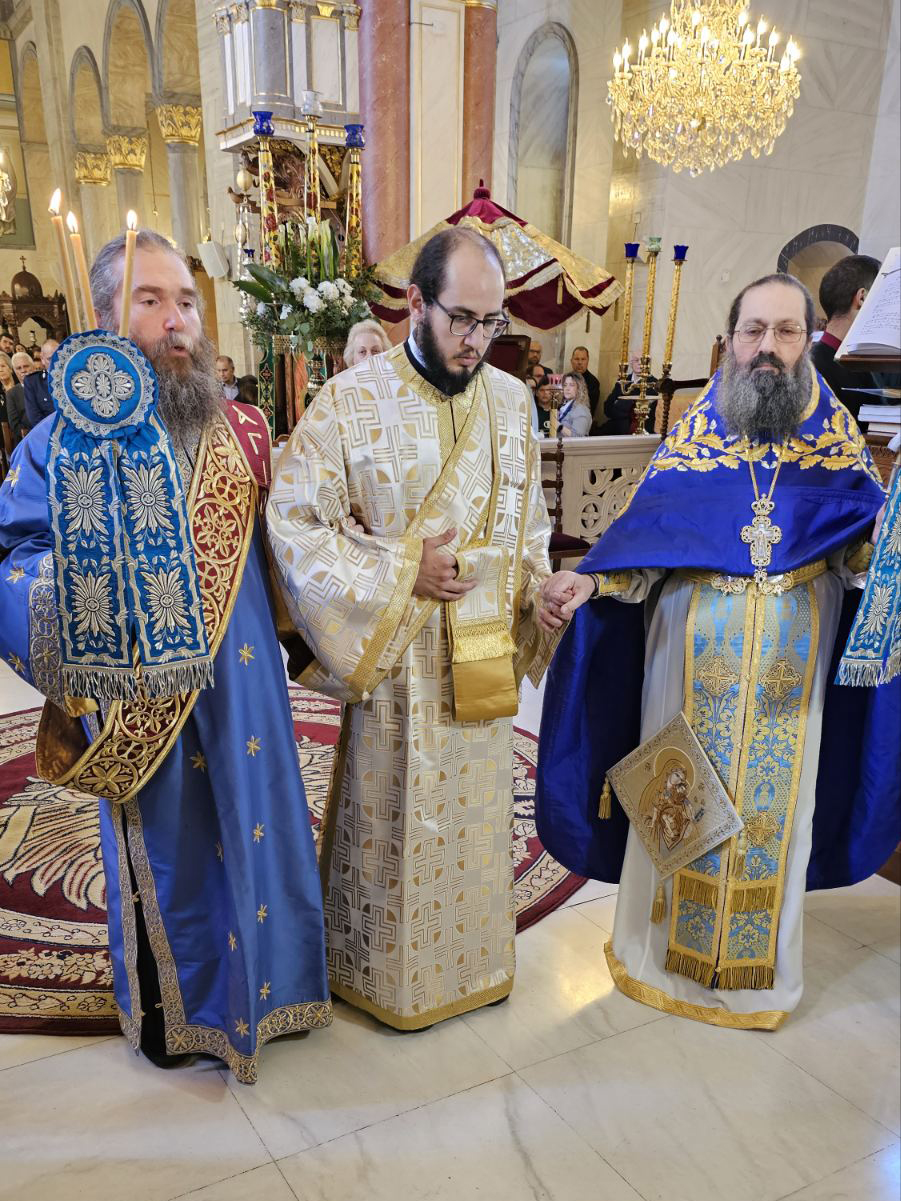
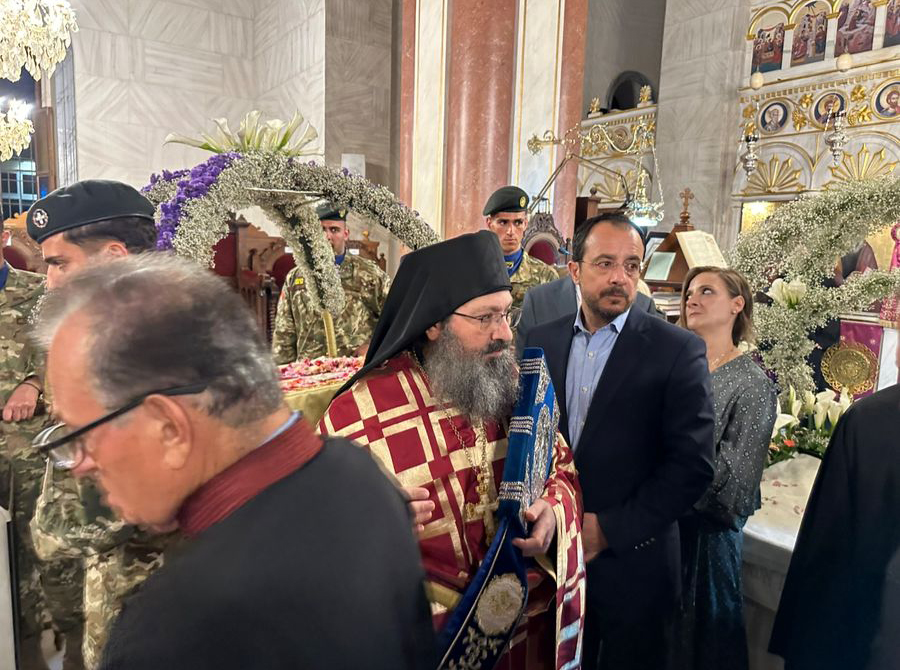
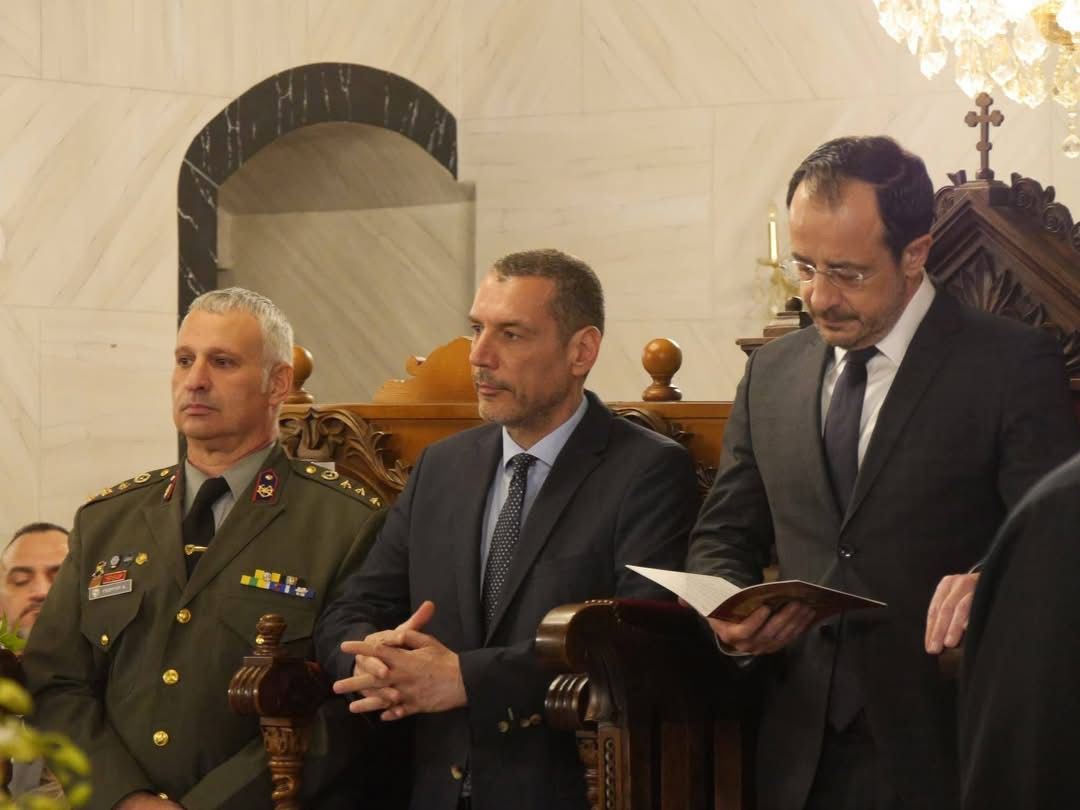
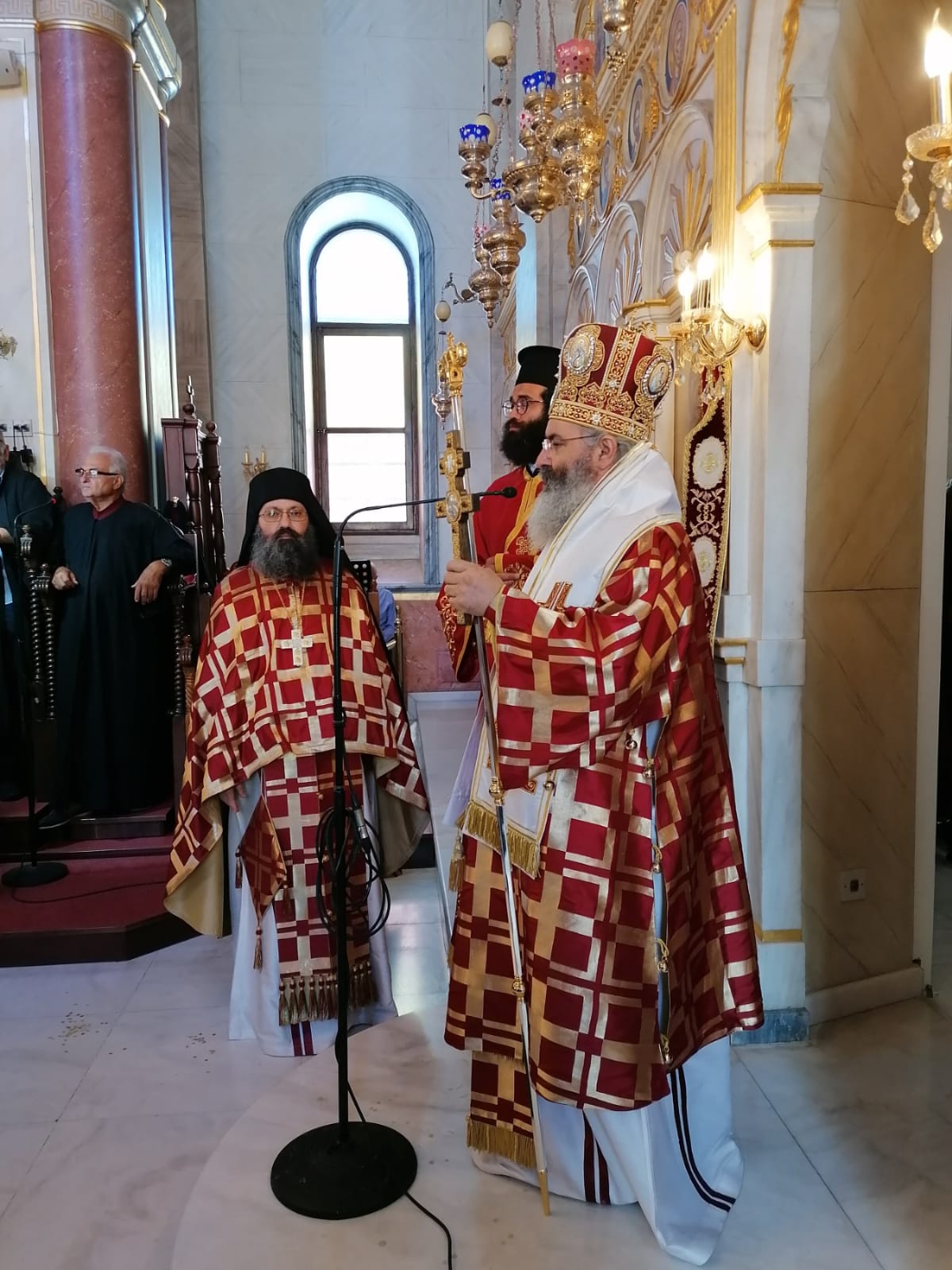
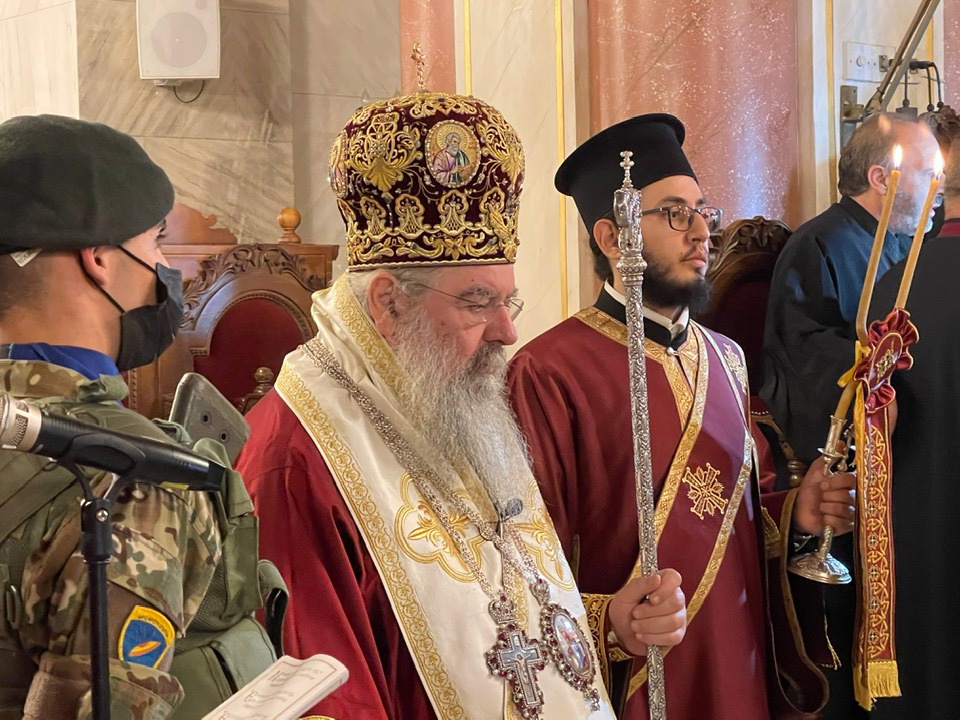
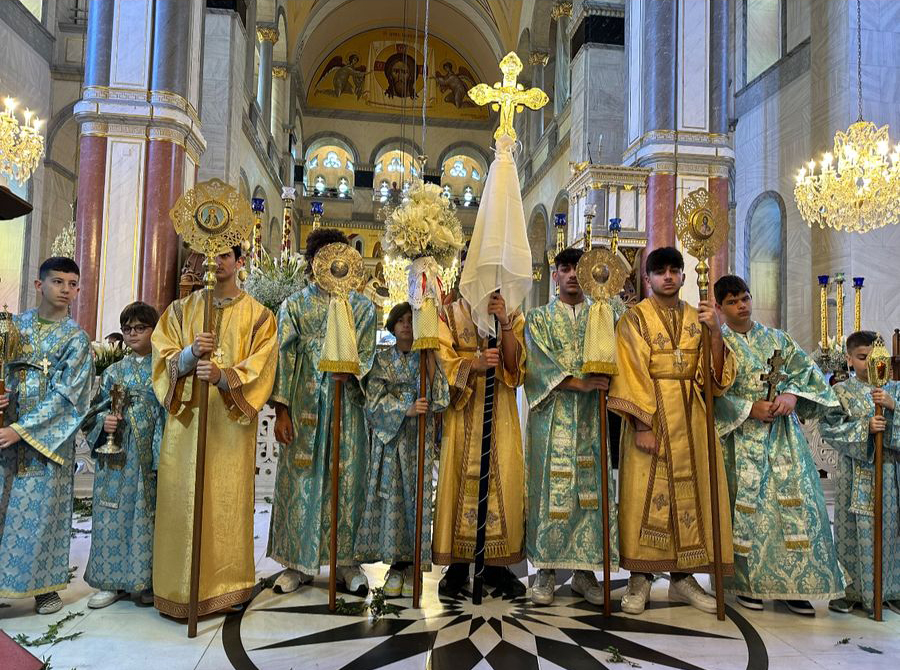
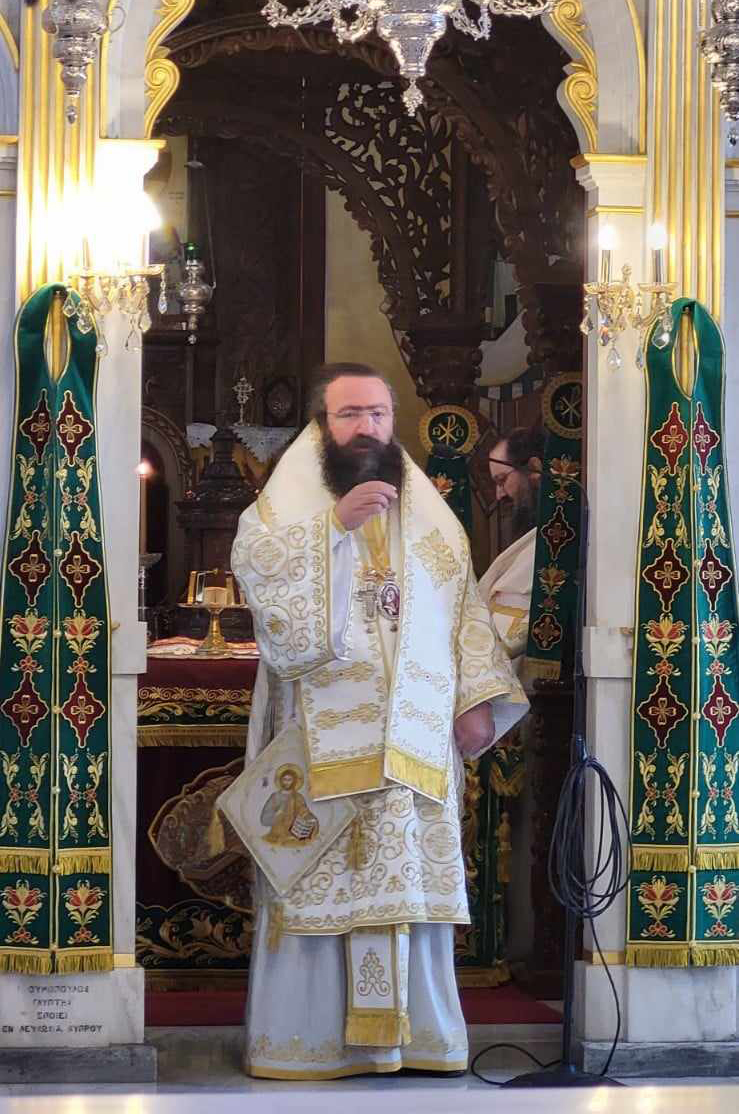
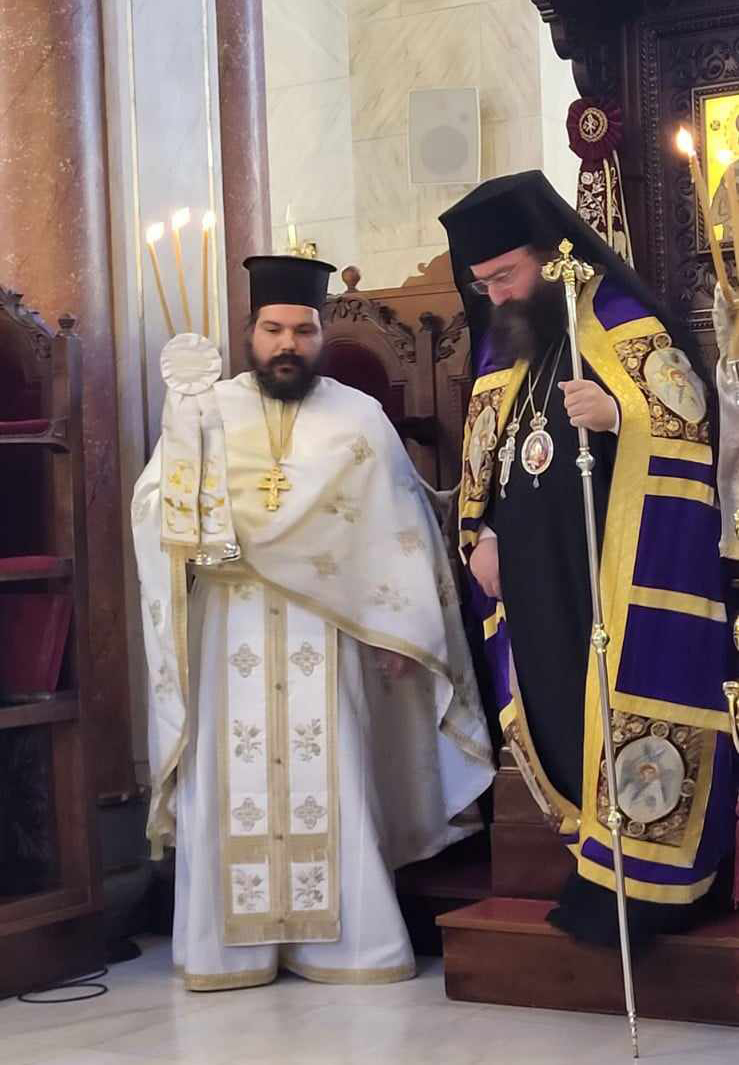
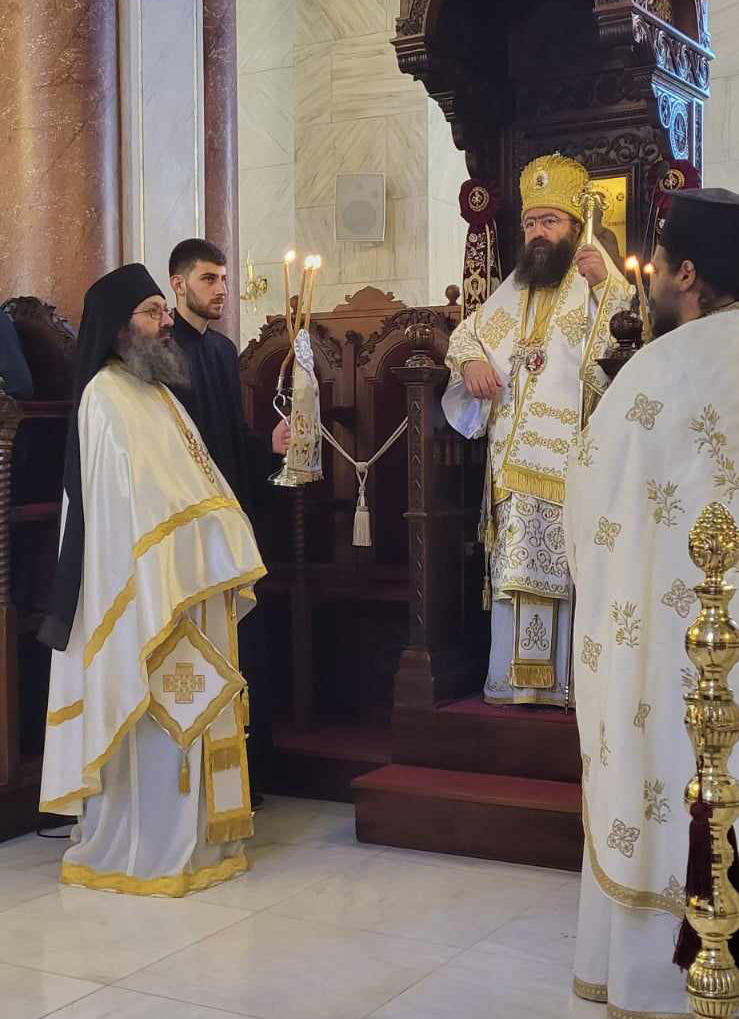
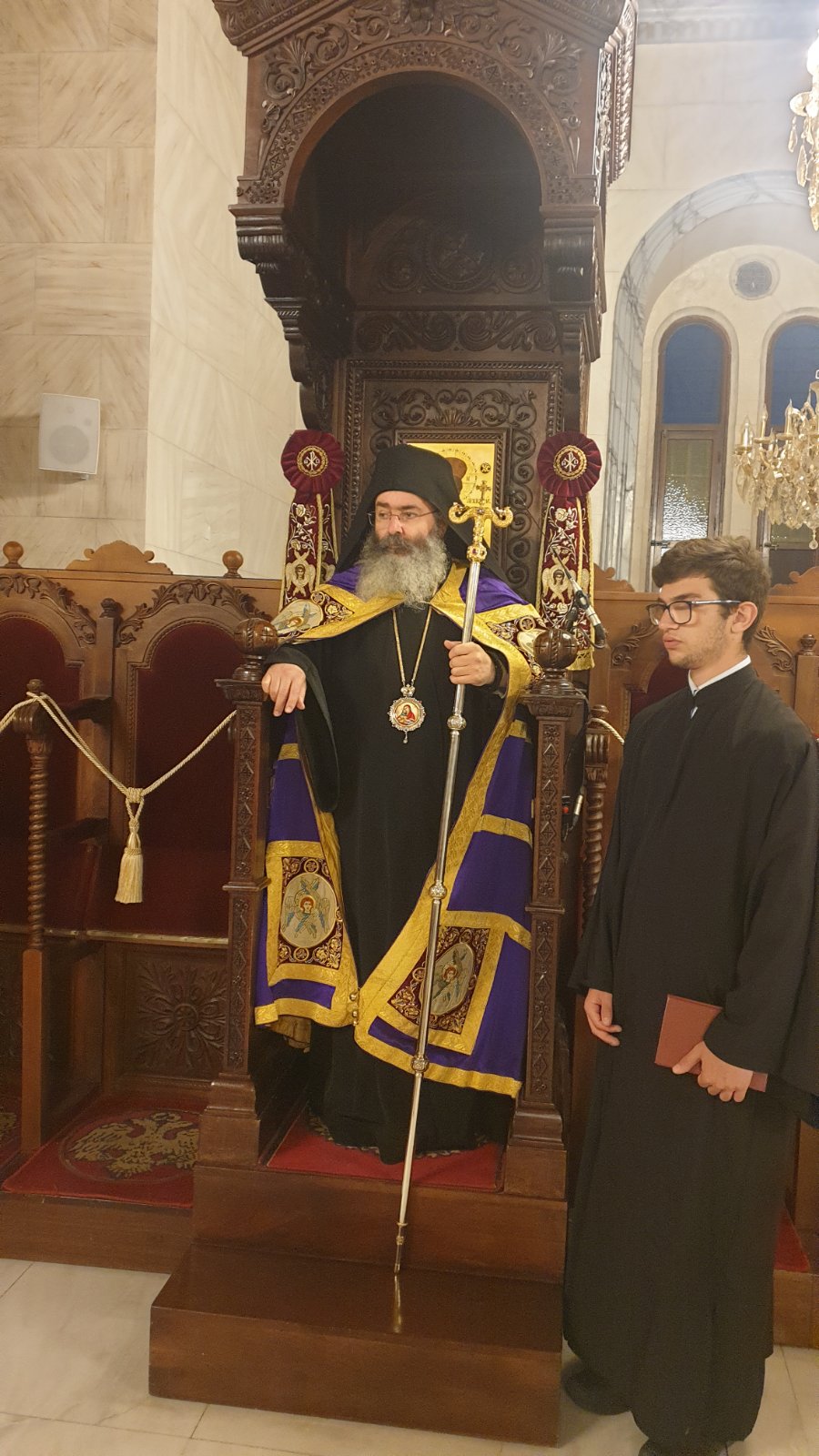
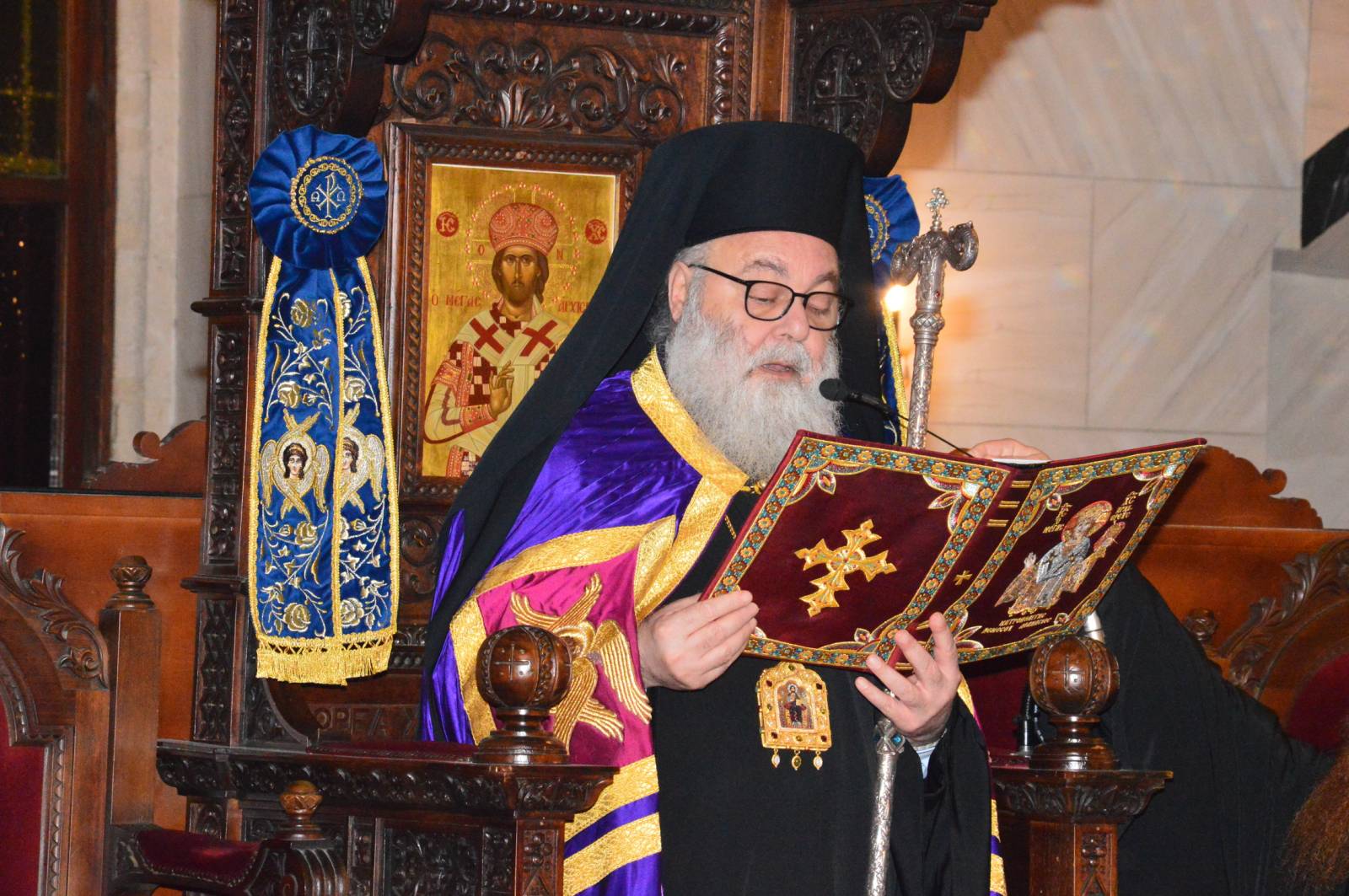
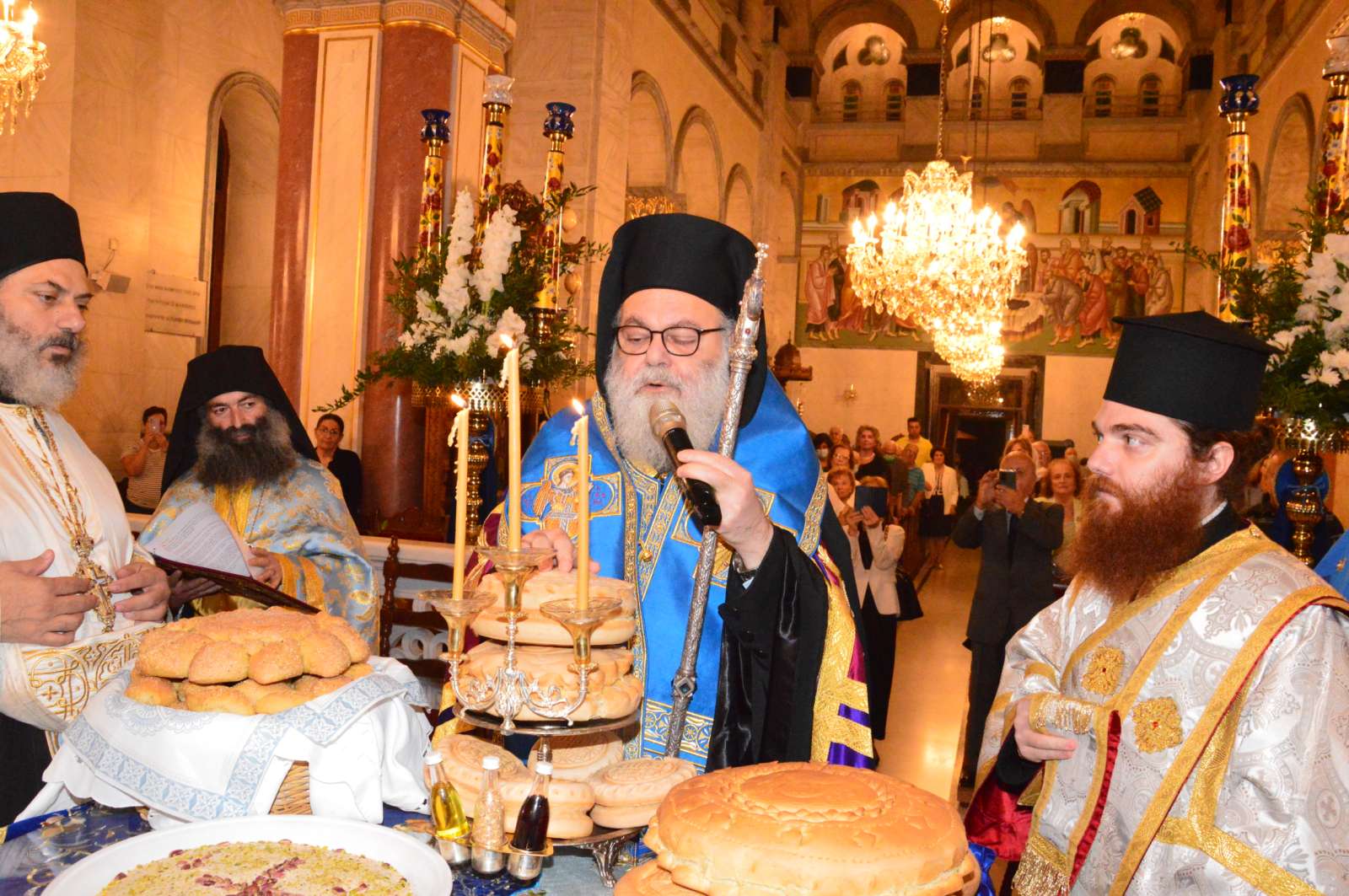
The Cathedral Church of Agia Napa holds immense religious significance for the local community and serves as an active place of worship. It is a spiritual haven where the faithful gather to find solace, offer prayers, and participate in religious ceremonies. Visitors are welcome to attend the divine services and experience the timeless rituals that have been performed in this sacred space for centuries.
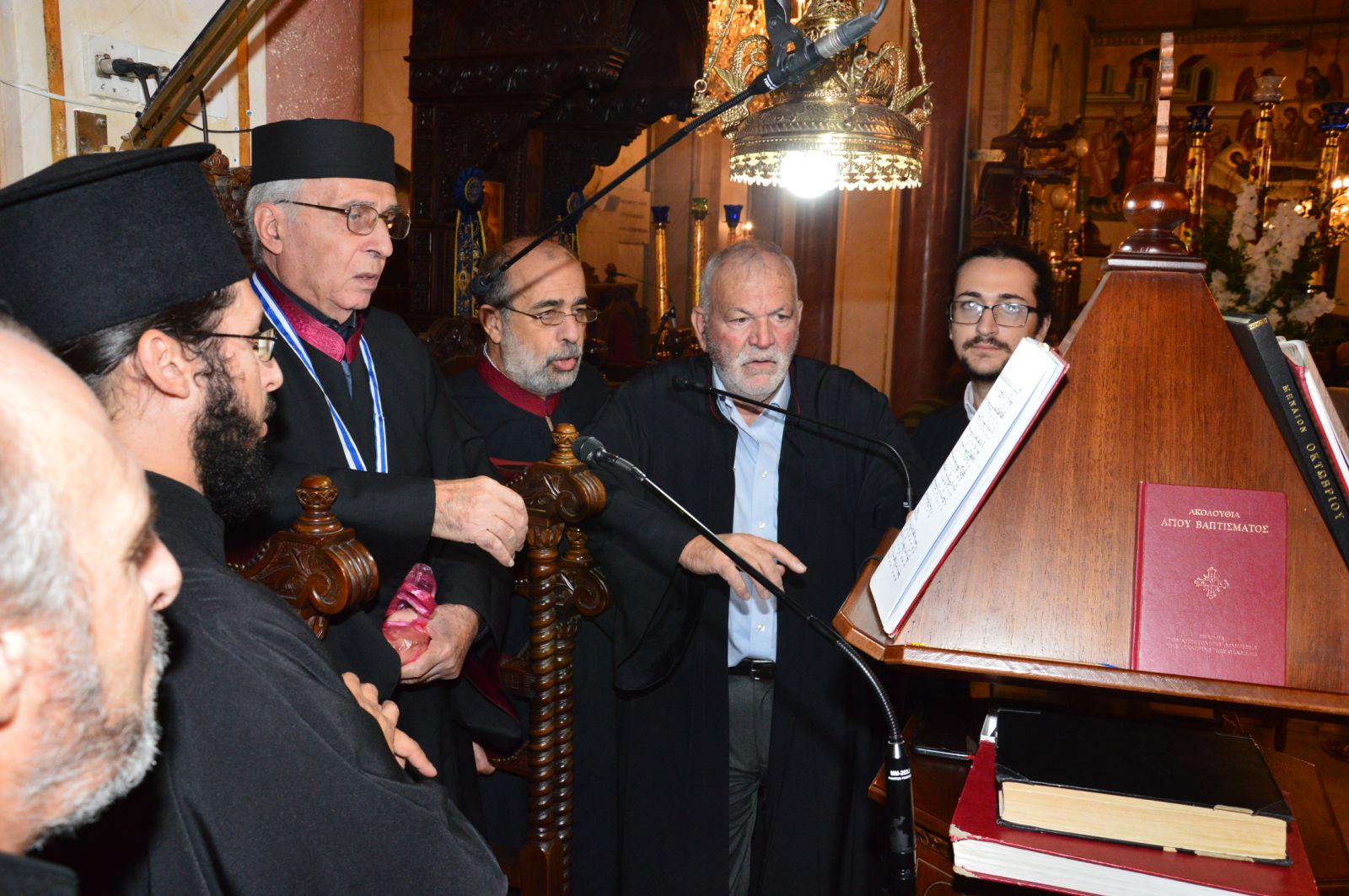
In the past, great and melodious priests, as well as renowned chanters, have served and chanted within this church. This tradition of exceptional clergy and distinguished cantors continues to this day.
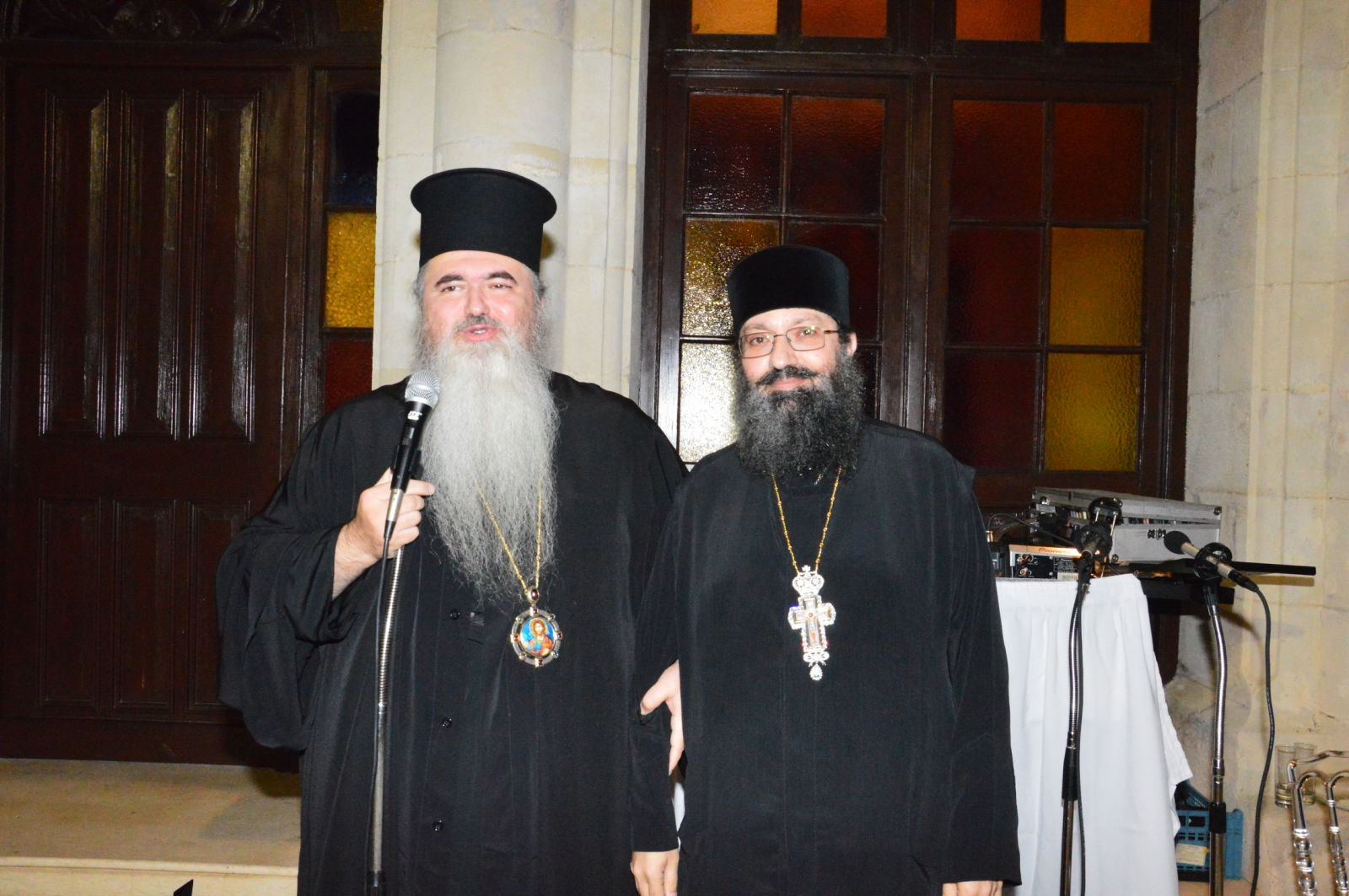
For several decades, the head of the church has been Archimandrite Isaac Mahairiotis, Protosyncellus of the Holy Metropolis of Limassol, serving alongside Protopresbyter Vasileios Tsaggaris, Presbyter Savvas Evagorou, and Presbyter Georgios Khoury.
The Protopsaltis (Chief Chanter) of the church is Mr. Nikos Papasavvas, a professor of Byzantine Music and Archon Protopsaltis of the Holy Metropolis of Limassol.